💧 K-Beauty · Verdict
Ma:nyo Pure Soybean Cleansing Oil: An Honest Review From a Korean (3rd Bottle In)
Heads up: some links below are affiliate links, so I may earn a small commission if you buy through them — at no extra cost to you. I only recommend things I actually use, and this is a product I've personally repurchased three times. My opinion isn't for sale.
The short answer
If you have combination skin and you have been told an oil cleanser will break you out, the ma:nyo Pure Soybean Cleansing Oil is the one that changed my mind. Oily T-zone and chin, dry everywhere else, third repurchase in over a year, and it has never broken me out.
The honest catch is the texture. It is thick rather than slippery, so if you like an oil that glides, this isn't that oil. Bought again — Sunny
If you've searched "manyo cleansing oil" (also written ma:nyo), you've seen it called a K-beauty cult classic — tens of millions of bottles sold, shelves of awards. That's the famous original. Mine is a slightly different one: the Pure Soybean Cleansing Oil, the tea-tree version, and it's the reason my acne-prone skin and I finally get along. Here's my honest take after actually using it every night for over a year.
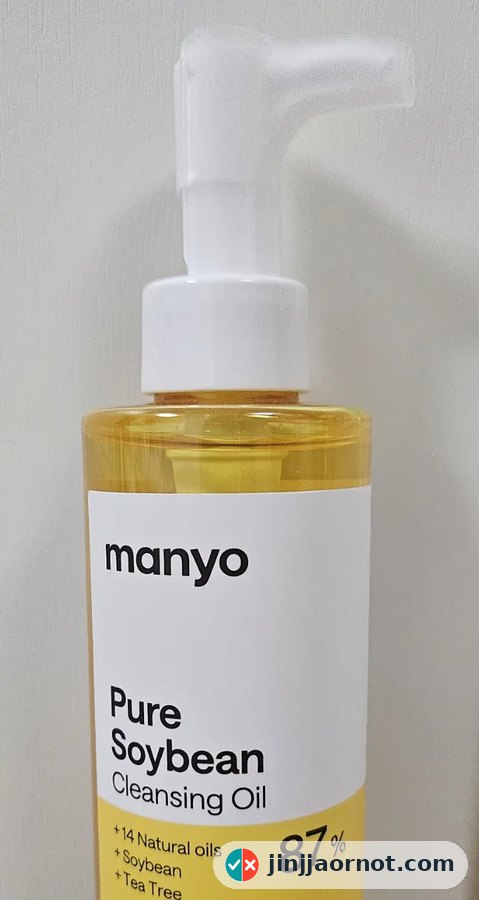
Why I keep buying it (3 bottles and counting)
The honest reason isn't glamorous: it doesn't break me out. My chin and T-zone are oily and clog easily, and most rich oils have punished me for it. This one is marketed as non-comedogenic and made for acne-prone skin, and in my experience that holds up — three bottles in, zero purge, no new bumps. The tea tree and soybean oil seem to keep my pores calm while still lifting sebum.
It also does the actual job well. I use it every single night — makeup or no makeup — purely to strip off the day's sunscreen and oil. It melts high-SPF tone-up sunscreen (the kind that's a pain to remove) and dissolves makeup, then emulsifies into a milk with water and rinses clean, leaving my skin soft instead of tight. That "not dry after" feeling is the whole appeal of a good oil cleanser, and this nails it.
How I actually use it
- Step 1 (this oil): 2–3 pumps onto dry hands and face, massage to melt makeup, sunscreen, and sebum.
- Emulsify: add water and keep massaging until it turns milky.
- Rinse with lukewarm water.
- Step 2 (double cleanse): I always follow with a foam cleanser. Oil cleansers are meant to be step one — the foam makes sure nothing's left behind.
For US readers new to this: that two-step routine is the "Korean double cleanse" everyone talks about. Oil first to break down oil-based grime, water-based cleanser second.
I tested it on the worst offenders (swatch test)
Reviews always say "melts everything off." I wanted to actually check, so I swiped three of the hardest things to remove onto the back of my hand — a red lip tint, a brown pencil, and a waterproof black eyeliner — then massaged the oil in and rinsed with water only. No foam cleanser, no wipes. Just step one.
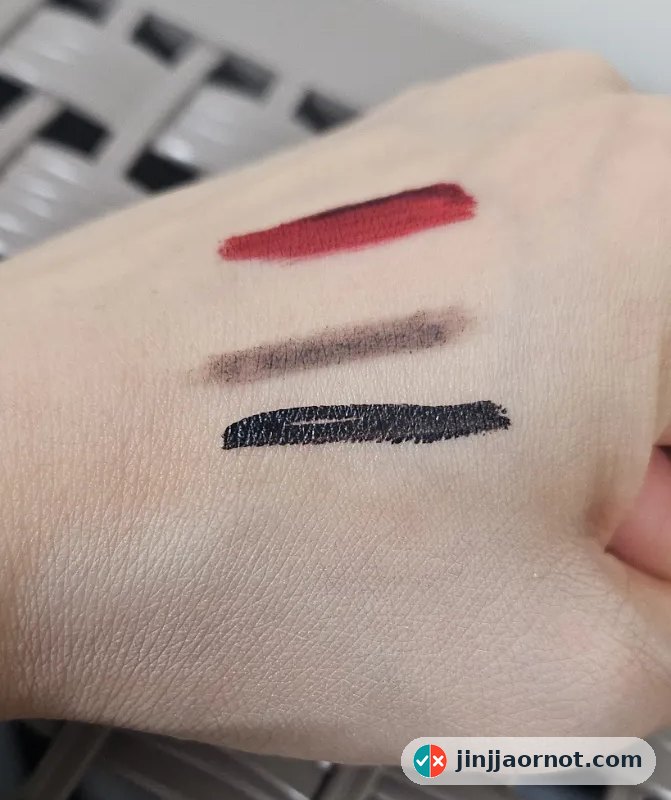
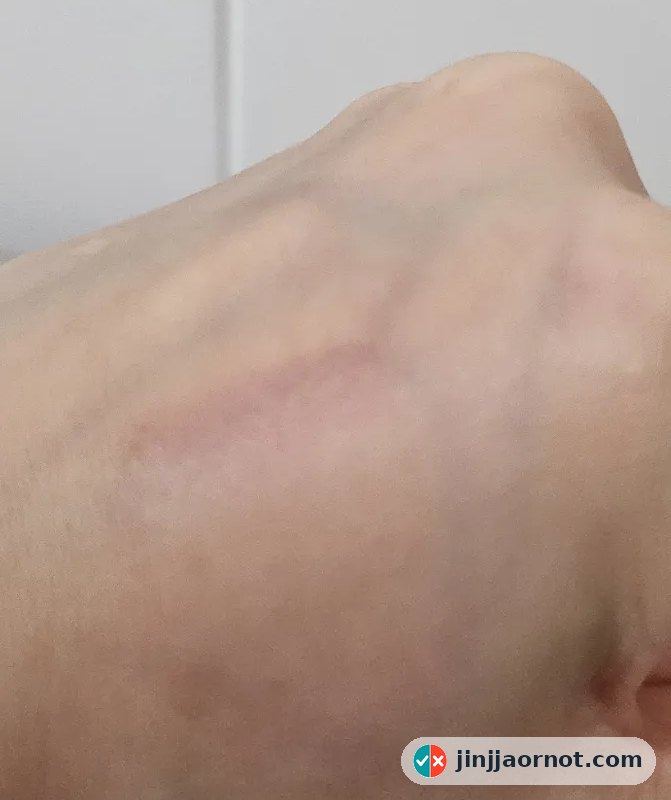
Result: almost everything came off with the oil and a plain water rinse. The black waterproof liner and the brown pencil were gone. The only thing that left a faint stain was the most stubborn lip tint I own — and to be fair, that one survives most things. With a normal second cleanse (foam), I'd expect even that to disappear.
So the honest version of the claim: this removes makeup properly in step one, and it isn't relying on your foam cleanser to do the real work. That's what you want from an oil cleanser.
The thing I actually score highest, though, still isn't the removal — it's that none of this broke me out.
Check price on Amazon →Also on Stylevana
Ma:nyo Pure Soybean Cleansing OilUS →These are affiliate links, tracked through Awin — if you buy through one I may earn a small commission, at no extra cost to you. I only link the regional stores I am approved for and have checked myself. They open a search rather than a fixed product page, because Stylevana re-issues its product addresses and I would rather send you to a live shelf than a dead link. Checked 31 Aug 2026.
Not sure which cleanser you need?
Three questions and I'll match you to a first-and-second-step pair, using the concentration figures printed on the Korean labels.
Try the Korean Cleanser FinderThe honest downside (nobody tells you this)
Here's the part reviews skip. For a cleansing oil, this one feels a little thick — even slightly draggy when you first massage it on. Ma:nyo actually describes the Soybean version as a "thick, cushiony texture," so that's by design, not a flaw — but if you're used to a light oil that glides, this will feel denser at first.
Second thing: while you're massaging, it can seem like heavy makeup isn't coming off. Don't panic. Once you add water and rinse, it's all gone — my face comes out completely clean. The only thing that survives is proper "tattoo" long-wear lip tint. Everything else? Wiped out.
For context: I used to use a lighter, slip-right-on cleansing oil that felt nicer to apply — but it broke me out. I traded that pleasant glide for skin that stays clear. Easy trade.
Ma:nyo Soybean vs a typical "light" cleansing oil
| Ma:nyo Pure Soybean | Typical light oil | |
|---|---|---|
| Texture | Thick, cushiony | Light, glides on |
| Removes makeup | Yes (rinse to see it) | Yes |
| Broke me out? | No (3 bottles in) | Yes, for me |
| After-feel | Soft, not tight | Varies |
| Best for | Acne-prone, combo | Those who want slip |
If you know Japan's DHC Deep Cleansing Oil (the one US shoppers always compare against), this is the K-beauty counterpart — with a tea-tree, pore-care angle that leans more toward blemish-prone skin.
Buy it if…
You have oily, combination, or acne-prone skin, you wear sunscreen or makeup daily, and you want an oil cleanser that removes everything without leaving you tight or breaking you out.
Maybe not if…
You love a super-light oil that glides on effortlessly — the thicker, cushiony texture here might feel draggy to you at first.
One heads-up
It's a first-step cleanser. Always follow with a water-based foam or gel (double cleanse). And long-wear "tattoo" lip tint may need a dedicated remover.
New to Korean skincare?
I'm rounding up the K-beauty products actually worth buying first — honest picks from a Korean, no hype.
See the K-beauty starter list →My honest verdict
Three bottles, over a year, and I'll buy a fourth. For combination and acne-prone skin, ma:nyo's Pure Soybean Cleansing Oil does the one thing that matters most — cleans thoroughly without wrecking your skin. The thick texture is the only thing standing between it and perfect, and honestly, I stopped noticing after week one. Jinjja good.
Ma:nyo Cleansing Oil FAQ
Is the ma:nyo cleansing oil good?
Yes — it's a well-earned K-beauty staple. It melts away makeup, sunscreen, and excess sebum and rinses off clean without leaving skin tight or dry. On my combination skin I'm on my third repurchase over more than a year, mainly because it never breaks me out. The one caveat is the texture, which is thicker and more cushiony than lightweight oils.
What is the #1 oil cleanser in Korea?
Ma:nyo's Pure Cleansing Oil line is one of Korea's best-selling and most-awarded oil cleansers, with tens of millions of units sold worldwide. The Pure Soybean version reviewed here is the same family, built around soybean oil and tea tree for pore care and calmer skin.
What is ma:nyo cleansing oil used for?
It's the first step of a double cleanse. You massage it onto dry skin to dissolve makeup, sunscreen, and sebum, add water so it emulsifies into a milk, then rinse and follow with a water-based cleanser like a foam. I use it every night whether or not I wore makeup, just to lift the day's oil and sunscreen.
Does it break you out or need double cleansing?
This one is marketed as non-comedogenic and suited to acne-prone, sensitive skin, and it hasn't broken me out across three bottles. Oil cleansers work best as step one of a double cleanse — follow with a foam or gel cleanser so nothing is left sitting on the skin. Skip the second step and some people can feel residue.
Which one should I get — the original or the Soybean version?
The original Pure Cleansing Oil is the famous all-rounder. The Pure Soybean version I use leans toward pore care and blemish-prone skin thanks to soybean oil and tea tree, with a thicker, cushiony feel. If your main concern is breakouts and clogged pores, the Soybean one is a great pick.
Choosing between a balm and an oil in the first place? I read the ingredient lists on both and wrote down what each one is actually built to do.