💧 K-Beauty · Comparison
5 Korean cleansing oils, tested against their own labels
Heads up: some links below are affiliate links, so I may earn a small commission if you buy through them — at no extra cost to you. I bought all five of these with my own money, in Korea.
The short answer
All five of these clean your face about equally well. That sounds like a boring result, but it's the useful one: if cleansing power doesn't separate them, then weight, scent and whether you need a second wash are the only things left to choose on. And one more thing — the oil with by far the least of its headline ingredient is the one I liked most. Choose on feel, not on the front label
The five
| Oil | Size | What the name promises |
|---|---|---|
| Ma:nyo Pure Soybean | 200 mL | Soybean |
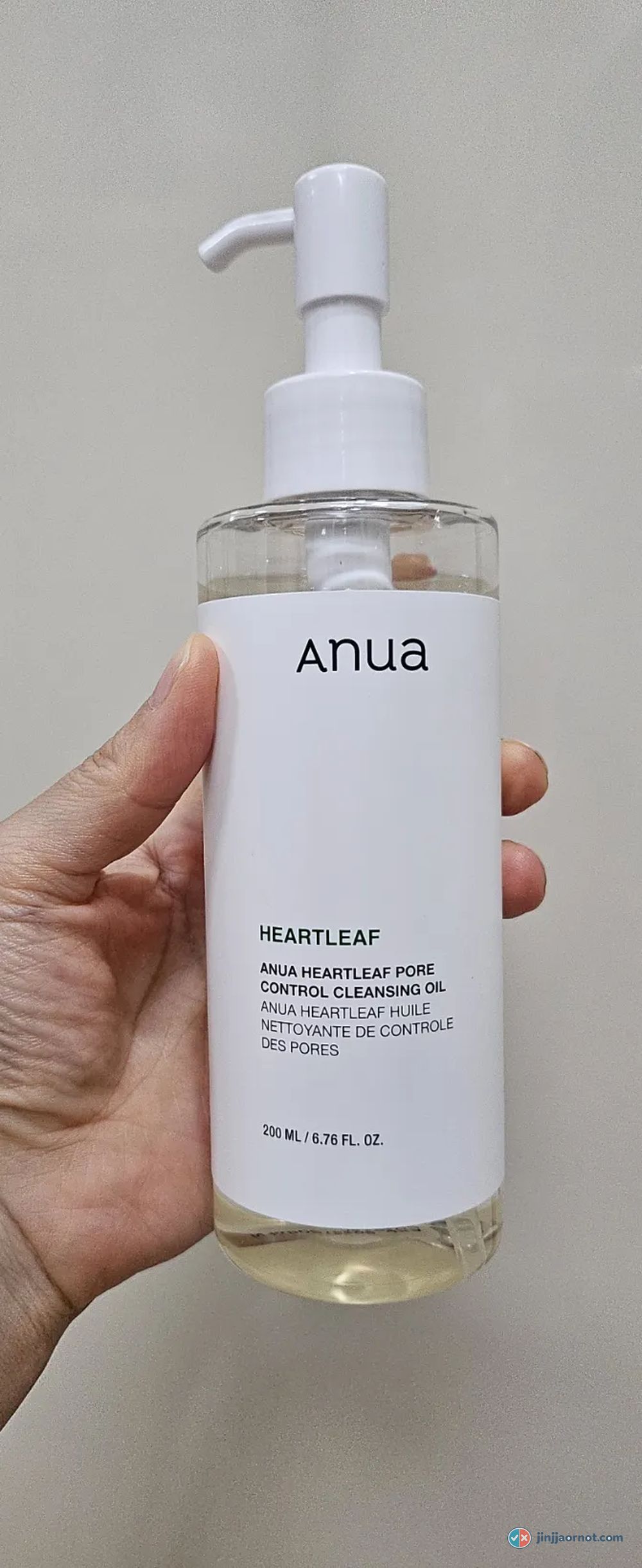
| Anua Heartleaf Pore Control | 200 mL | Heartleaf (houttuynia) |
| celimax Blackhead Jojoba | 150 mL | Jojoba |
| Beauty of Joseon Ginseng | 210 mL | Ginseng |
| Round Lab 1025 | 200 mL | Mineral water |
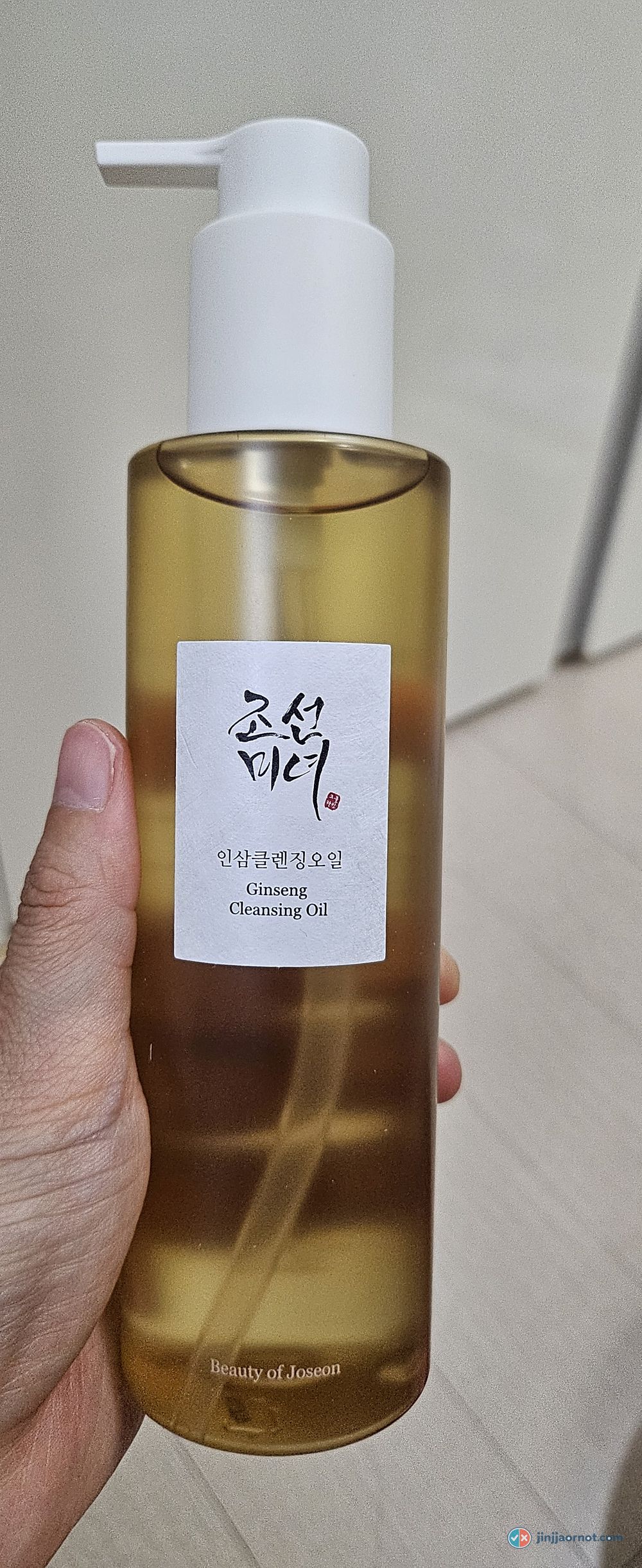
Every one of them is named after a plant or a source. That's normal in Korean skincare — the hero ingredient goes on the front of the bottle and does the selling. So I turned three of them over and typed out the ingredient lists. These are the three I still had the boxes for.
Table A: what the labels say
Korean labels are unusually good for this. Regulations here mean brands often print the exact concentration of the ingredient they're advertising, right there in the list — something you rarely see on a US or European bottle.
| Anua | celimax | Beauty of Joseon | |
|---|---|---|---|
| First ingredient | Ethylhexyl palmitate | Ethylhexyl palmitate | Wild soybean oil |
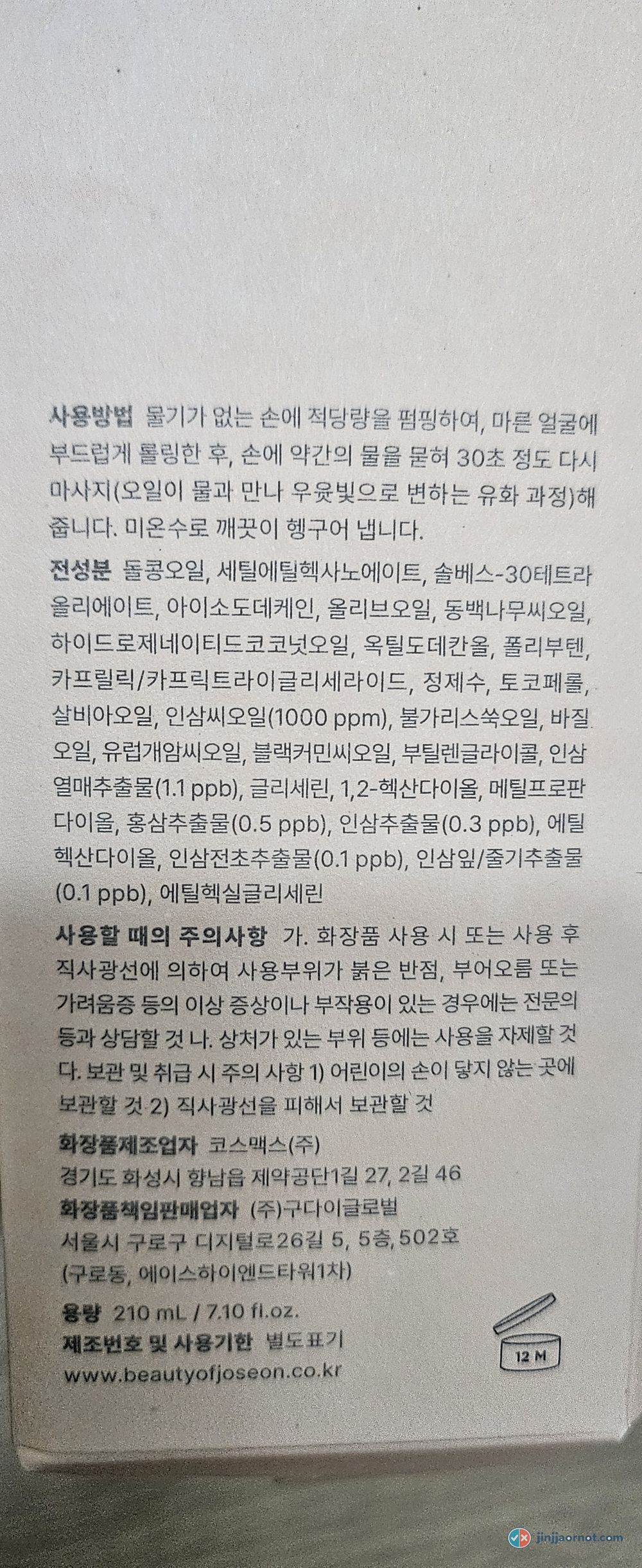
| Hero ingredient | Heartleaf extract 10,000 ppb | Jojoba seed oil 1,500 ppm | Ginseng seed oil 1,000 ppm |
| As a percentage | 0.001% | 0.15% | 0.1% |
| Fragrance listed | Yes — "fragrance" | Bergamot oil, linalool, limonene | None listed |
| Brand's instruction | Roll on dry skin, rinse several times | Roll 1 min, then rinse — says no foam cleanser needed after | Roll on dry skin, add water, emulsify 30 sec |
Read straight off the Korean bottles and boxes I bought. Formulations sold in other markets can differ.
Three things jump out.
One: two of them are the same oil underneath
Anua and celimax both open with ethylhexyl palmitate — a synthetic ester that's the actual cleansing workhorse in a lot of modern oils. Same first ingredient, same second ingredient in fact. Yet they feel completely different on my hands, which I'll come back to. Beauty of Joseon is the odd one out: its first ingredient is soybean oil, which means the ginseng oil is built on the same base that Ma:nyo puts in its product name.
Two: ppb and ppm are not the same unit, and the gap is enormous
This is the part I'd want explained to me. A part per million is one thousand parts per billion. So when Anua lists heartleaf at 10,000 ppb, that is 10 ppm — while celimax lists jojoba at 1,500 ppm. Drawn to scale:
That sliver is not a rendering error. Anua's headline ingredient is present at roughly one hundred and fiftieth of celimax's. Beauty of Joseon does something similar one level down: its ginseng seed oil is a real 1,000 ppm, but the five ginseng extracts the brand story is built on — root, berry, red ginseng, leaf, stem — are listed in parts per billion. The berry extract is 1.1 ppb.
I want to be careful here, because this is where reviews usually turn into an accusation. None of this is a scandal. Plant extracts are often used at low levels by design, and a cleansing oil's job is done by its base oils regardless. What the numbers actually tell you is simpler: the name on the front is not describing what's in the bottle. It's describing what the brand wants you to think about while you use it.
Three: "no fragrance added" doesn't mean no smell
Beauty of Joseon lists no fragrance at all — and it's the strongest-smelling of the five by a distance. The scent comes from the plant oils themselves: sage, mugwort, basil, black cumin. Anua does list fragrance, and smells mild. celimax sits in between with bergamot oil and its two declared allergens.
So if you buy skincare by scanning for "fragrance" on the label, these three bottles will mislead you in both directions at once.
Table B: what I actually noticed
Now the other half. Same five oils, nothing from the label — just what happened when I used them.
| Oil | Weight | Scent | How long I've used it |
|---|---|---|---|
| Ma:nyo | Medium | Mild | Over a year, repeat purchases |
| Anua | Very light | Tea-tree-ish, easy to like | Current bottle, bought as a set |
| celimax | Slightly heavy — stiff pump | Soft citrus | Several bottles over years |
| Beauty of Joseon | Light, runs like thread | Strong, herbal | Current bottle |
| Round Lab 1025 | Very light | None I can detect | Two weeks |
Cleansing power: I could not tell them apart. All five took off a day of sunscreen and light makeup without drama. I tested Anua on the back of my hand with eyeliner and a Korean lip tint, which is the hardest thing in my routine to remove:
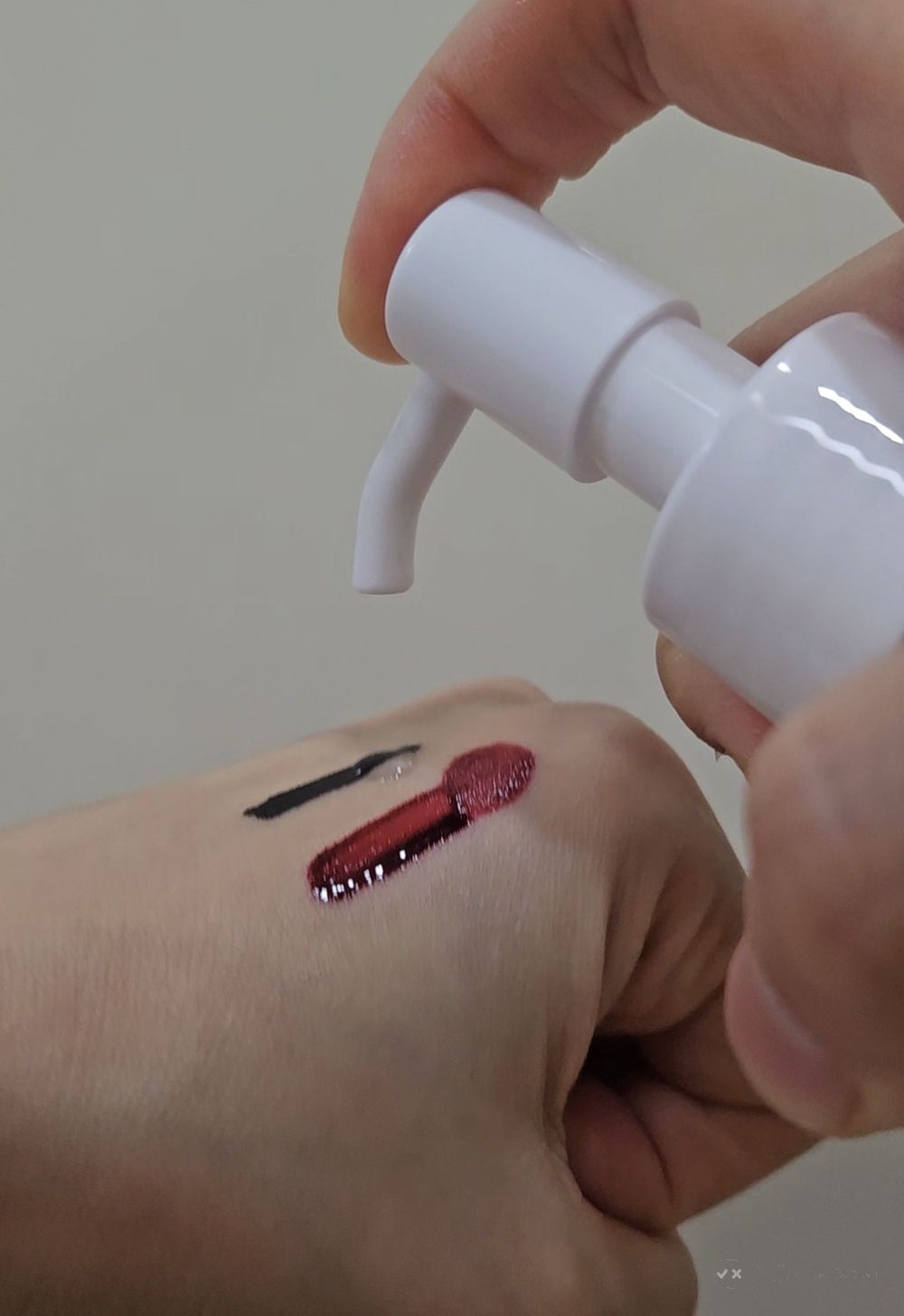

That pink is worth being honest about, because a cleansing balm I tested left exactly the same mark. When two different products in two different formats leave the identical trace, the cleanser isn't the variable. Korean lip tints are engineered to stain. That's the product working as designed, and no first-step cleanser is going to undo it in one pass. Go over it a second time, or use a dedicated lip-and-eye remover first — that's what I do on days I've worn tint properly rather than on my hand.
The two tables disagree. That's the point.
Line them up and the ranking flips.
By label, Anua comes last of the three I read. Ten parts per million of the thing on the front of the bottle, fragrance added, nothing remarkable in the base. If I were shopping by ingredient list — which is exactly how a lot of people now shop for K-beauty — I would not have bought it.
By use, Anua came first. I hadn't heard of the brand before this. I bought the set because the oil and the foam kept coming up, and I expected to be underwhelmed. It's the lightest of the five, the scent reads clean and slightly medicinal in a way that made me trust it, and it took off everything the others did.
Both of those are true at once, and I'd rather show you the gap than pick a side of it. Ingredient lists tell you what a company can prove. They don't tell you what a bottle feels like at eleven at night when you want your face clean and your contact lenses out.
So choose on these two things instead
Since cleansing power doesn't separate them, here's what does.
Weight
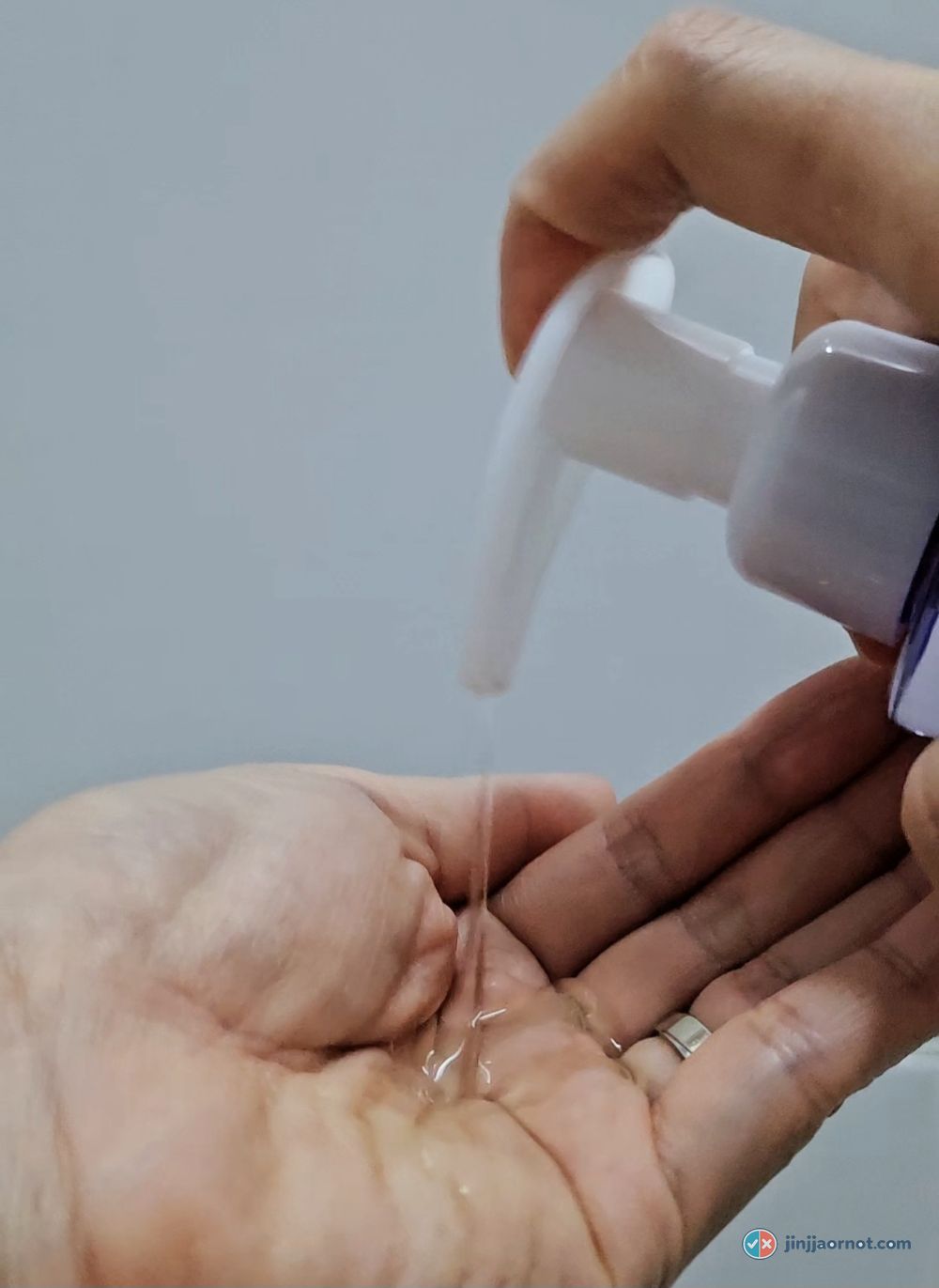
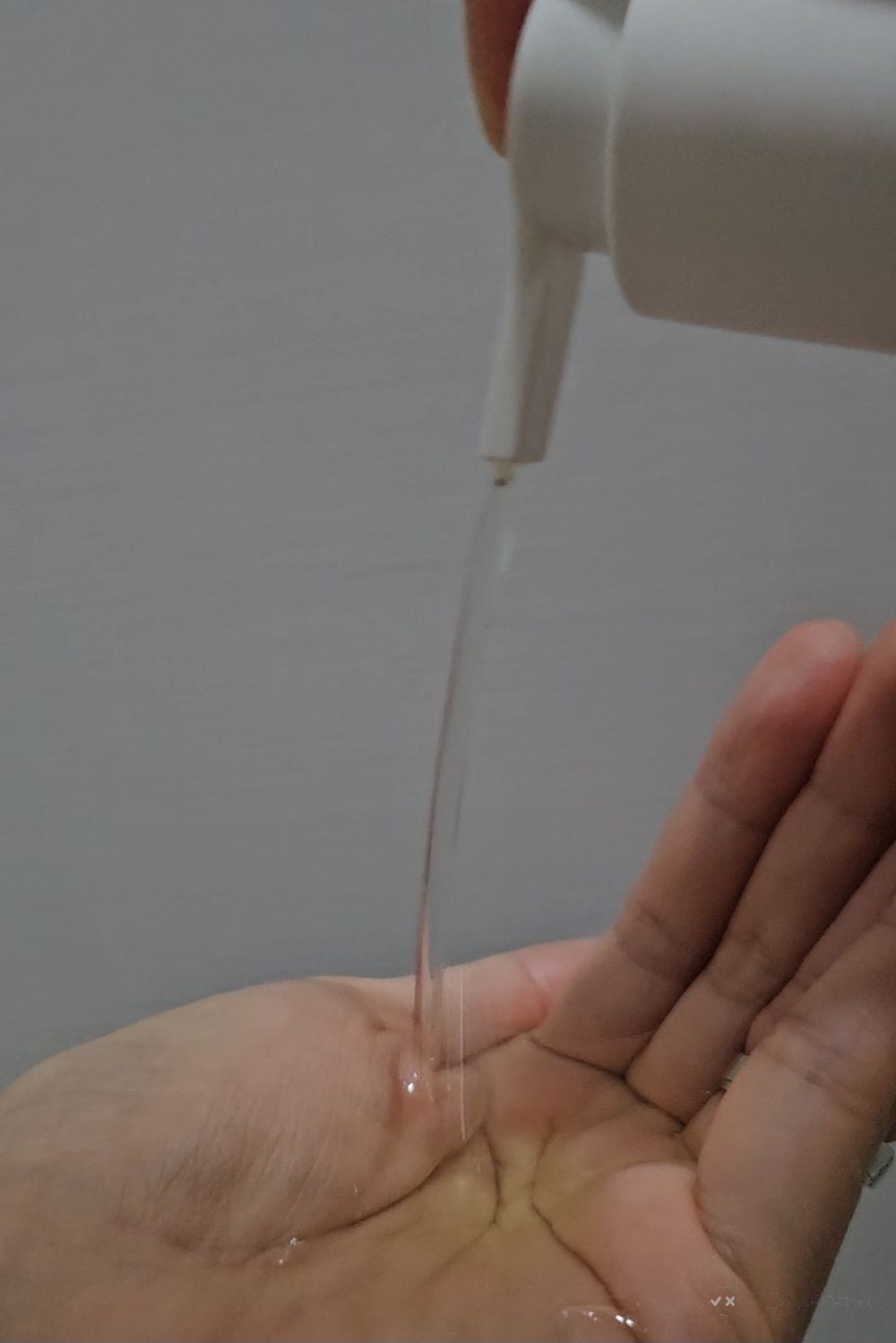
Anua and Round Lab 1025 are close enough that I'd call them interchangeable on feel. celimax is the outlier — noticeably denser, and even the pump takes more force. Remember that Anua and celimax share a first ingredient. The base oil at the top of the list doesn't predict how something feels. Whatever else is doing the work, it isn't the ingredient you were reading.
Scent
This is the axis that will actually decide it for you, and it's the one nobody can decide for you. If you want to smell nothing, Round Lab 1025. If a herbal, almost medicinal smell sounds appealing rather than off-putting, Beauty of Joseon is a genuinely good oil and you will probably love the thing I couldn't get past.
My verdicts
I've stopped using stars for this kind of comparison. A score implies I can rank five things that mostly do the same job, and I can't. What I can tell you is which bottles I spent money on more than once — that's a fact rather than an opinion.
Ma:nyo Pure Soybean — Bought again
Over a year, several bottles. The one I stopped thinking about, which is the highest compliment a cleanser gets. Full review here.
celimax Blackhead Jojoba — Bought again
Several bottles over several years, and the only one on this list I keep buying for a result rather than a feel. It's the heaviest of the five and the pump is stiff — if you like a weightless oil, this isn't it. Buy it if texture matters less to you than what your nose looks like in the mirror afterwards. Skin varies; this is my experience, not a claim.
Anua Heartleaf Pore Control — Will buy again
The lightest, the easiest to live with, and the biggest surprise. Buy it for the texture and the scent, not for the heartleaf — there's 10 ppm of that. If heartleaf is what you actually want, the foam cleanser from the same set leads with heartleaf water at 33%, which is four orders of magnitude more.
Round Lab 1025 — Still testing
Two weeks in and I like it — light, no scent, nothing to complain about. Two weeks isn't long enough for me to tell you it's a keeper, so I won't. I'll update this when it is.
Beauty of Joseon Ginseng — Won't repurchase — scent
To be clear about what this verdict is and isn't: the texture is lovely — it pours in a thread rather than a drip — it rinses clean, and it's well made. I'm not buying it again because the smell isn't for me, and that's the whole reason. If sage and mugwort sound good rather than medicinal, move this to the top of your list.
One more thing I noticed
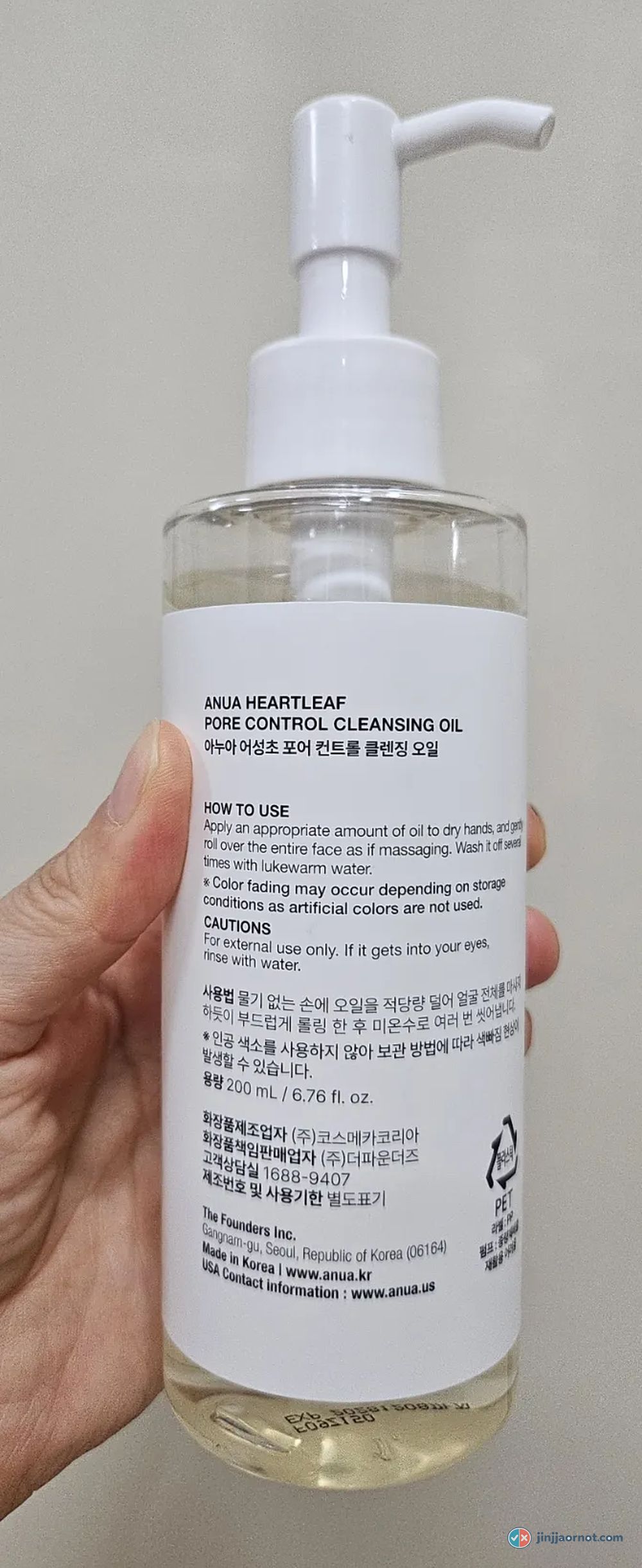
I bought this in Korea, for the Korean market. The bottle already had full English instructions on it and a US website printed at the bottom. That's not an accident, and it's the same pattern I found when I looked at why Turtle Chips sell better abroad than here — Korean companies are increasingly designing the product, not just the export version, for someone who doesn't live here.
Which is quietly good news if you're reading this from the US or the UK. You're not getting a watered-down version. You're getting the thing they built for you in the first place.
Where to buy
All five, on Amazon
Links are filtered to Prime-eligible sellers on purpose. Since the US ended duty-free treatment for low-value parcels, listings shipping direct from Korea can take weeks and can land you a customs bill at your door.
Ma:nyo → Anua → celimax → Beauty of Joseon → Round Lab 1025 →Korean cleansing oil FAQ
Which Korean cleansing oil is best?
All five I tested cleaned about equally well, so "best" comes down to feel. The lightest are Anua Heartleaf and Round Lab 1025. The heaviest is celimax. If you want no scent at all, Round Lab 1025. If you want the one I've repurchased most over the years, Ma:nyo Pure Soybean.
Do I need to double cleanse after a cleansing oil?
It depends on the bottle, and the brands themselves disagree. celimax states on its box that no foam cleanser is needed afterwards if you rinse thoroughly. Beauty of Joseon walks you through an emulsifying step and no more. I still use a second cleanser most nights, mainly out of habit and because I wear sunscreen daily.
What does ppm mean on a Korean skincare label?
Parts per million. 1,000 ppm is 0.1% of the formula. Parts per billion (ppb) is a thousand times smaller again, so 10,000 ppb equals 10 ppm, or 0.001%. Korean labels often print these figures for the ingredient in the product's name, which lets you see how much of it is actually in there — Anua's heartleaf is 10 ppm, celimax's jojoba is 1,500 ppm.
Is Anua Heartleaf cleansing oil worth it?
Yes, but not for the heartleaf. It's listed at 10,000 ppb, which is 10 ppm — a very small amount. It's worth buying because it's the lightest oil of the five I tested and the scent is easy to live with. If heartleaf itself is what you're after, the foam cleanser sold with it lists heartleaf water at 33%.
Why does Beauty of Joseon ginseng oil smell so strong if it has no fragrance?
Because the smell isn't added fragrance — it's the plant oils in the formula. Sage, mugwort, basil and black cumin seed oil all carry strong natural scents. The label is accurate: no synthetic fragrance is listed. It just doesn't mean the product is unscented.
Will a cleansing oil remove Korean lip tint?
Mostly, but expect a faint stain to survive one pass. Korean tints are formulated to hold on. In my test the eyeliner disappeared completely while a light pink cast remained, and a cleansing balm left the same mark — so it's the tint, not the cleanser. Use a dedicated lip and eye remover first, or go over the area twice.