🧼 K-Beauty · Explainer
Cleansing balm or cleansing oil for pores? I read the Korean labels
Heads up: some links below are affiliate links, so I may earn a small commission if you buy through them — at no extra cost to you. I bought every product named here with my own money, in Korea, and read the ingredient lists off the Korean packaging myself.
The short answer
If clogged pores are the goal, take the oil. A balm is held solid by wax and does its work with synthetic esters — a combination built to dissolve makeup. That is also what the brands test their balms for. One balm is the exception, and I'll name it. Milk cleansers are the gentlest of the three and the wrong tool here. Read off the Korean packaging, in Korea
First: what people actually mean by "big pores"
A pore that looks big is usually a pore with something in it. A blackhead or a whitehead stretches the opening, so clearing it makes the pore look smaller. That part is real and you can watch it happen.
What doesn't happen is the pore getting smaller. Its size is set by genetics and by how much oil your skin makes, and nothing you rinse off in thirty seconds is going to change either one. So the honest job description for a cleanser is keep them clear, not shrink them.
Hold onto that, because it decides which jar you should be reaching for.
What a cleansing balm actually is
Here's the top of the Korean ingredient list on the ma:nyo Deep Clear Cleansing Balm, in order, as printed:
Ethylhexyl palmitate · Sorbeth-30 tetraoleate · Isododecane · Cetyl ethylhexanoate · Synthetic wax · Silica dimethyl silylate
Six ingredients, and you can read the whole design off them. The synthetic wax is why it's solid. The esters — ethylhexyl palmitate, cetyl ethylhexanoate — are what dissolve the makeup. The sorbeth-30 tetraoleate is the emulsifier, which is why it rinses off with water instead of sitting on you.
And then there's isododecane. That one's worth knowing about, because it's the same solvent the makeup industry uses to make waterproof makeup waterproof in the first place. It's in your long-wear tint and it's in the balm that takes the tint off. That isn't a coincidence and it isn't a criticism — it's the reason balms beat oils on a full face.
Read those six lines again and notice what's missing. Nothing in that list empties a pore. It wasn't built to.
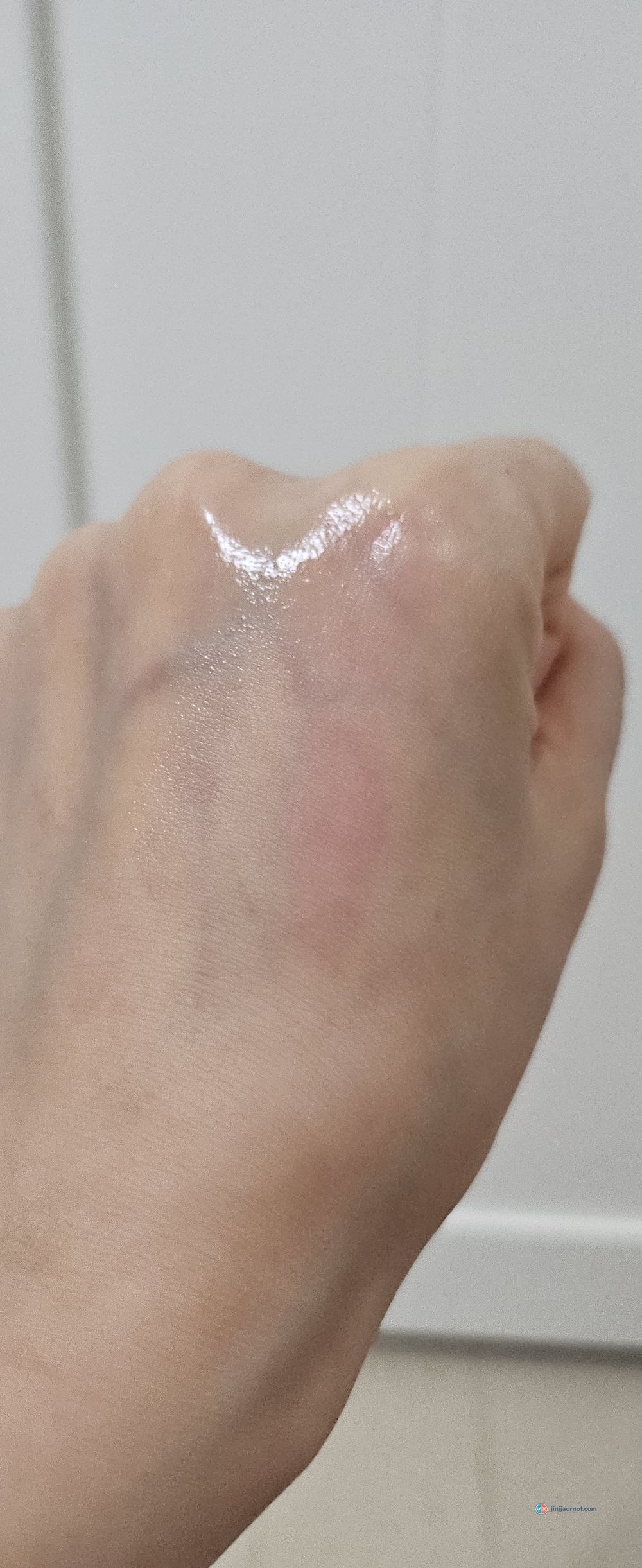
The brands already told you. Look at what they test for
This is the part I want English-language readers to see, because the Korean product pages carry it and the export listings usually don't.
The Deep Clear balm's Korean page lists two completed human trials: waterproof product removal and sunscreen product removal. It gives the testing centre, the dates, and the panel size — twenty women, aged 20 to 59, over one week in May 2023.
There's no pore trial. A company that pays for two removal studies and none on pores has told you what it thinks it built. I find that more useful than any claim on the front of a box.
Worth saying plainly: this isn't a knock on the product. A balm that takes waterproof mascara off without a fight is doing something genuinely difficult. It's just a different job from the one you're shopping for.
So who should buy a balm?
Plenty of people, and I don't want the last section read as "don't buy one." Here's who I'd hand one to.
You wear real makeup. Waterproof mascara, a long-wear tint, a full base. This is the thing balms do better than oils and far better than milks, and it isn't close.
You hate water everywhere. A balm is scooped with a dry hand onto a dry face. Nothing runs down your wrist, nothing sprays the mirror, and it doesn't count as a liquid when you fly.
You want the cleanse to feel like something. A balm sits on your face longer than anything else in this category. If that minute is the part of your evening you actually like, that's a real reason.
And who shouldn't:
You're switching to a balm because of blackheads. That's the whole reason this page exists. You want to skip the second cleanse. Every balm is a first cleanse, and "no double cleansing needed" on a box has still left oil on my face every time. You want it for mornings. It's too much for a face that only slept.
And if you're choosing between balms, go by texture, not brand
Banila Co's Clean It Zero and Beauty of Joseon's Radiance Balm are both wax, and in daily use I could not tell them apart — I said so when I compared them. beplain's is the only one that behaves differently.
So the choice is simpler than the shelf makes it look. Want squeaky? Either wax balm. Want soft and comfortable afterwards? beplain. Brand loyalty isn't doing anything for you here.
The one balm I'd make an exception for
beplain's Mung Bean Milk Balm is not a wax balm. It turns to liquid from body heat alone, before water touches it, which isn't how the others behave. And its Korean list carries capryloyl salicylic acid — LHA, a real exfoliating acid. The other Korean balms I've tested contain no acids at all.
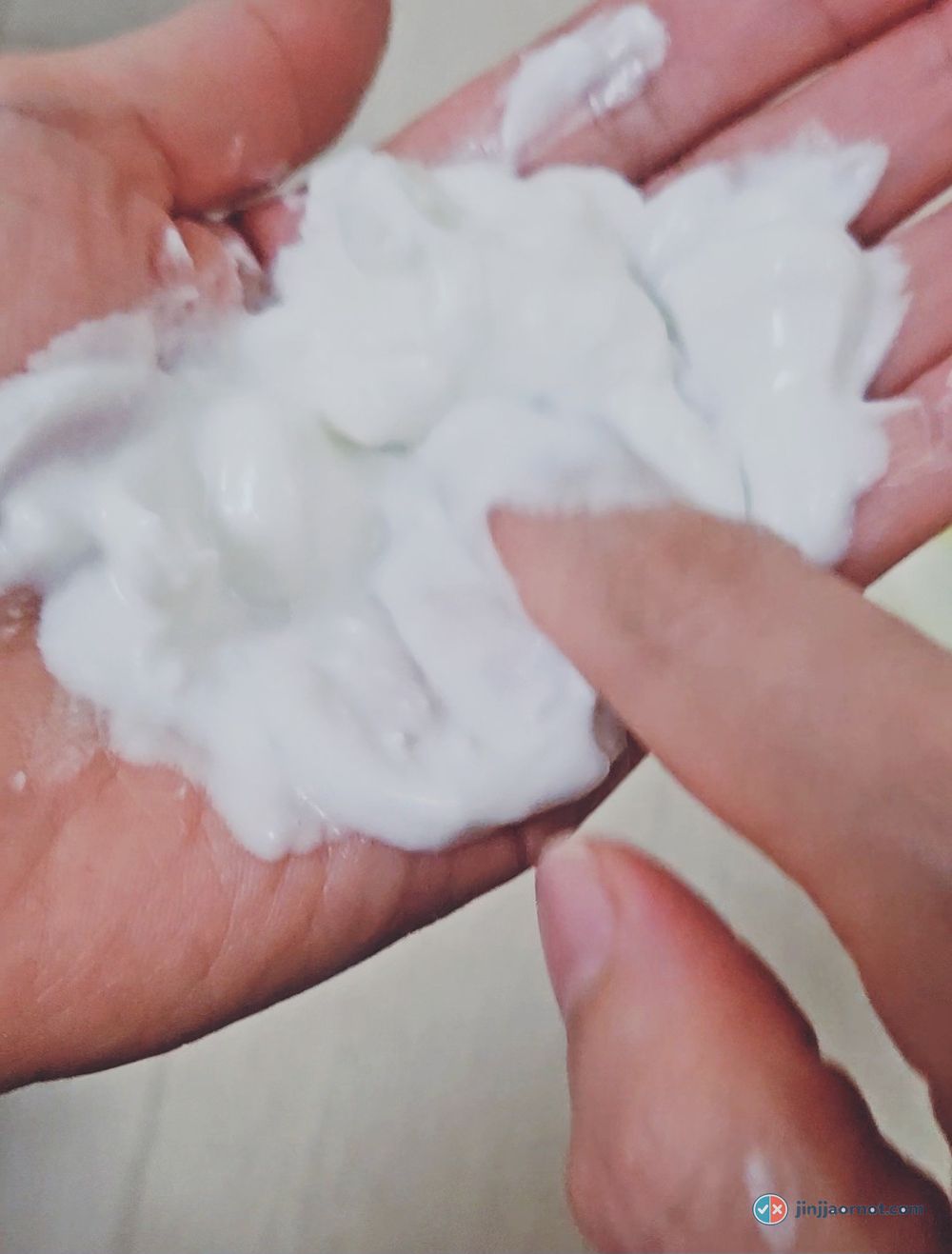
A month of nightly use and my nose looks tidier. Tidier, not clear. Nothing has vanished, and I can't hand you a before-and-after I'd stand behind, so I'm not going to pretend otherwise. The brand cites a 26.10% reduction in blackhead area after one use; that's a manufacturer-commissioned figure and I'm reporting it as one.
So if you want a balm and pores are on your mind, this is the one. I wrote it up in full here, blank spots included.
What I actually reach for, and why
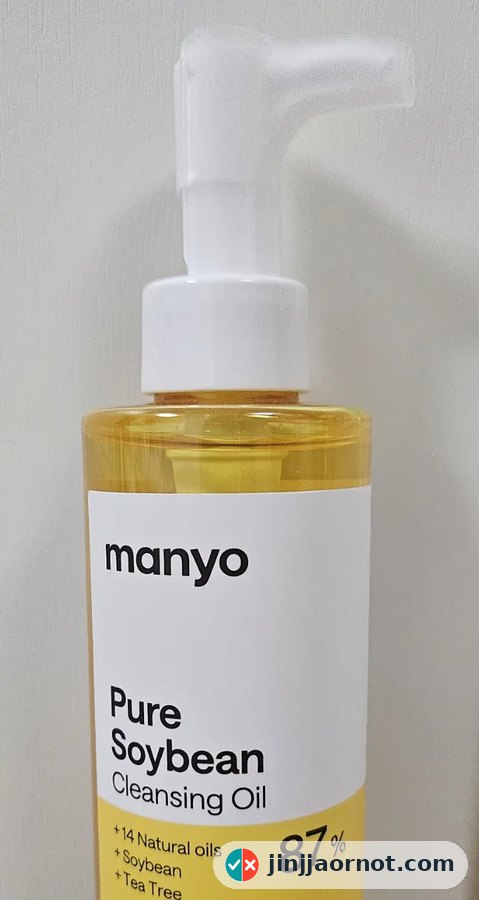
Across everything I've used, the cleanser that kept my own pores clearest is ma:nyo Pure Soybean Cleansing Oil. I'm on my third bottle in over a year, which is the only recommendation I really trust — the one my own money keeps making.
The Korean bottle also carries a line worth knowing about: alongside the usual low-irritation and sensitive-skin tests, it lists a completed suitability test for acne-prone skin. That's a claim a company paid to make, on a panel, and it's the reason this oil is what my cleanser quiz hands you if you say you're prone to breakouts. It doesn't mean the product treats anything. It means somebody checked.
The Korean bottle prints soybean oil at 67%, inside 87% plant oils, with tea tree. Those numbers exist because Korean cosmetics law requires a brand to print the concentration of an ingredient it puts in the product name. Your bottle at home almost certainly doesn't show them.
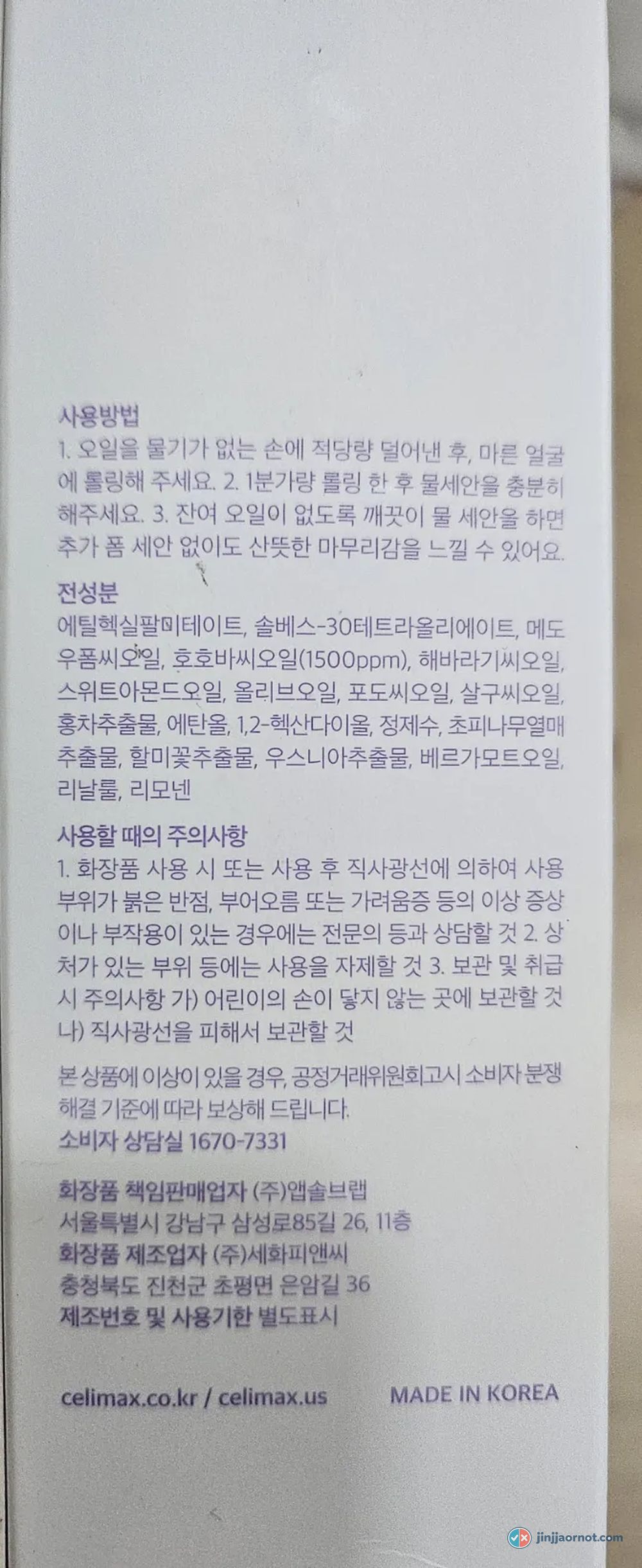
The other one worth naming is celimax Blackhead Jojoba Cleansing Oil, which prints jojoba at 1,500ppm — 0.15% on the Korean bottle. That's a small number and I'm giving it to you as a small number. It's still a hundred and fifty times what some of the botanicals in this category are printed at, which is exactly the kind of comparison the Korean label lets you make and an English listing doesn't.
A word on milk cleansers, since people ask
A milk is the gentlest of the three, and it's the wrong tool for this particular job. I drew lip tint and liquid liner on my hand and washed it off with two of them: the liner came off, and the tint left a faint stain an oil takes in one pass.
It's worth reading the wording though. make p:rem's milk has passed a test for washing waste out of pores; ma:nyo puts clearing blackheads on its oil instead. Both become the word "pore" in English, and they aren't the same claim. I read both Korean boxes and wrote that up separately — one brand prints the concentration, the other prints the clinical trial, and neither prints both.
The part almost nobody says out loud
A balm or an oil is your first cleanse. On its own it lifts makeup, sunscreen and surface oil, and then leaves a film behind that a water-based cleanser is supposed to take off.
If pores are the reason you're cleansing at all, the second step isn't optional. Skipping it is the single most common way people end up deciding an expensive first cleanser did nothing for them. It probably did its half.
And one more limit, said plainly: if you want pores that look visibly different rather than simply clearer, cleansing isn't where that happens. That's closer to home-device and treatment territory, and I'd rather tell you that than sell you a jar that was never going to get you there.
So, balm or oil?
Clogged pores, blackheads, whiteheads → the oil. ma:nyo Pure Soybean if you want the one I keep buying.
You want a balm anyway → beplain's Milk Balm. Not a wax balm, and it carries an actual acid.
Full face, waterproof mascara, long-wear tint → a wax balm, genuinely. That's what the isododecane is there for, and it's what the brands tested. Three of them compared here.
Tight, stripped skin after washing → a milk. Just read the pore wording on the box before you buy it for that.
The whole category fits in one line: balm for heavy makeup, oil for oil and breakout-prone skin, milk for gentle and hydrating. Everything above is me showing my work on that sentence.
Either way → follow with a second cleanse. Every time.
Not sure which step you're missing? The cleanser finder walks you through it, and it shows you the runner-up as well as the pick.
Questions I get asked
Is a balm or an oil better for clogged pores?
The oil, for me. A balm's first lines are wax and synthetic esters — built to dissolve makeup, and that's what the brands run trials on. The oil I keep rebuying prints 67% soybean oil on the Korean bottle.
Do cleansing balms help with blackheads?
Not on their own, and mostly not by design. beplain's Milk Balm is the exception among the ones I've used: not a wax balm, and it contains capryloyl salicylic acid. A month in, my nose looks tidier — tidier, not clear.
Why do my pores look bigger than they used to?
Usually because of what's sitting in them. Clear it and the pore looks smaller. The underlying size is genetics and oil flow, and no cleanser touches that.
What about a milk cleanser for pores?
Read the wording closely. make p:rem's milk has passed a test for washing waste out of pores; ma:nyo puts blackhead clearing on its oil instead. Those aren't the same claim, and Korean labels keep them apart. A milk is a gentle wash and it's good at that. For blackheads, an oil dissolves into the oil already in the pore and a water-based milk can't reach the same place.
Do I still need a second cleanse?
Yes. The first cleanse takes the day off. The second one takes the first cleanse off. If pores are your reason for any of this, that second step is the half that acts on them.
Still not sure which format you need? Balm, oil and milk side by side — what each is made of and what the brands test it for.