🔎 K-Beauty · Label data
The Korean skincare ingredients that are mostly marketing
Heads up: some links below are affiliate links, so I may earn a small commission if you buy through them — at no extra cost to you. Every product here was bought with my own money, in Korea, and every number was read off the box in my own hands.
The short answer
Korean law makes a brand print how much of an ingredient is inside when that ingredient is in the product's name. I have read those numbers off 12 boxes. They run from 67% down to 0.0001 ppm — a gap of about two million times, on products that all put the ingredient proudly on the front. The name is marketing. The bracket is the product.
The number is almost never on the front. It sits in the full ingredient list, in brackets, in Korean, on the box most people throw away. If you buy the same product in the US, there is no equivalent figure at all — the packaging is not required to carry one. That is the whole reason this page exists.
Every figure I've read
Highest first. A percentage is just ppm divided by 10,000.
| Product | Named ingredient | On the label | % |
|---|---|---|---|
| ma:nyo Pure Soybean Cleansing Oil | Soybean oil | 670,000 ppm | 67% |
| Anua Quercetinol Cleansing Foam | Heartleaf water | 1st ingredient | 33% |
| Beauty of Joseon Relief Sun | Niacinamide | 2% | 2% |
| Anua Quercetinol Cleansing Foam | Heartleaf powder | 3,000 ppm | 0.3% |
| Beauty of Joseon Relief Sun | Rice extract | 3,000 ppm | 0.3% |
| celimax Blackhead Jojoba Oil | Jojoba seed oil | 1,500 ppm | 0.15% |
| Round Lab Birch Juice Sunscreen | Birch sap | 1,425 ppm | 0.14% |
| Beauty of Joseon Ginseng Cleansing Oil | Ginseng seed oil | 1,000 ppm | 0.1% |
| beplain Mung Bean Milk Balm | Mung bean seed extract | 1,000 ppm | 0.1% |
| ma:nyo Pure Soybean Cleansing Milk | Soybean seed extract | 100 ppm | 0.01% |
| Beauty of Joseon Radiance Balm | Rice bran oil | 100 ppm | 0.01% |
| Anua Heartleaf Cleansing Oil | Heartleaf extract | 10,000 ppb | 0.001% |
| Beauty of Joseon Radiance Balm | Rice seed water | 0.97 ppm | 0.0001% |
| Beauty of Joseon Radiance Balm | Rice extract | 0.29 ppm | 0.00003% |
| Medipeel Peptide O2 Cleanser | Palmitoyl pentapeptide-4 | 0.0001 ppm | 0.00000001% |
Read the brand, not the ingredient
The instinct is to sort this list into good brands and bad brands. It doesn't work — the same names sit at both ends.
ma:nyo has the highest figure on this page and one of the lowest. Its cleansing oil is 67% soybean oil. Its cleansing milk, same line, same word on the front, is 100 ppm. Neither is dishonest. The oil is built out of oil, so the soybean can be most of it; the milk is mostly water with a barrier-lipid system in it, so the soybean is a garnish. The format sets the ceiling, and the name doesn't tell you which format you're holding.
Beauty of Joseon occupies four rows and three of them are at the bottom. Its Radiance Cleansing Balm lists rice three separate times — bran oil, seed water, extract — which adds up to about 101 ppm, or 0.01%. Its Relief Sun, by contrast, carries niacinamide at a straightforward 2%. Same brand, same shelf, two different relationships between the name and the jar.
Low doesn't mean bad
The product with the smallest figure in the cleansing oil category is the one I liked using most. Anua's heartleaf comes in at 10 ppm and the oil is still light, pleasant and the one I reach for. The number tells you what you're paying a premium for, not whether the product works.
What it does tell you is where to look when two products cost the same. If you want the highest concentration of a named botanical in a cleansing oil, celimax's jojoba at 1,500 ppm is a hundred and fifty times Anua's heartleaf. If you want soybean specifically, the oil gives you 67% and the milk gives you 0.01%, and they are made by the same company for the same price bracket.
Just landed: a cleanser that names a peptide
The table above is what I've read so far. This is the newest box on it, and it pushes the bottom of the range down by another order of magnitude.
Medipeel Mooltox Peptide O2 Ampoule Cleanser arrived in Korea this year. It's a clear gel that turns into fine foam on contact with skin — the box even prints a note telling you the bubbling at the nozzle is normal and not a fault.
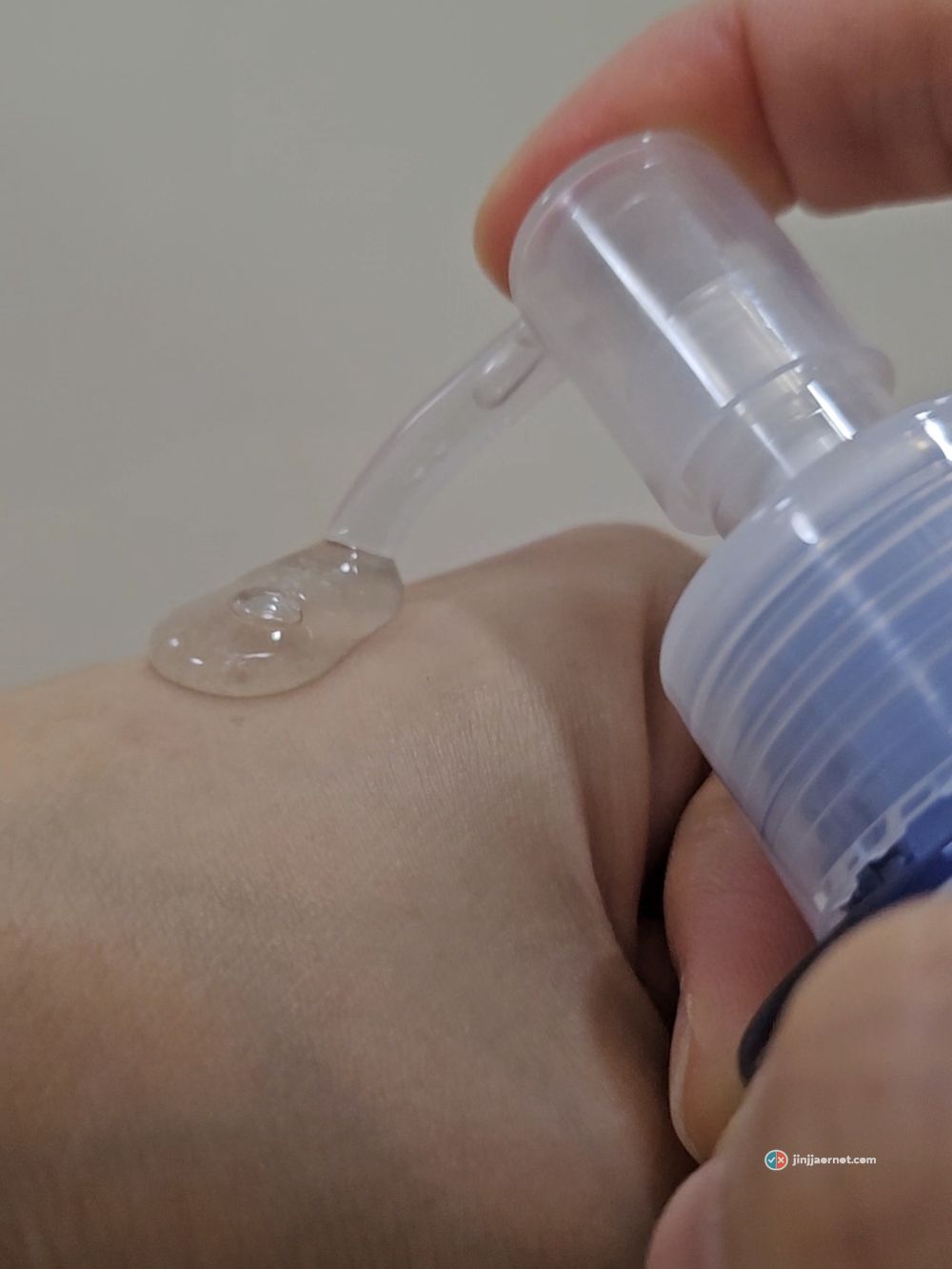
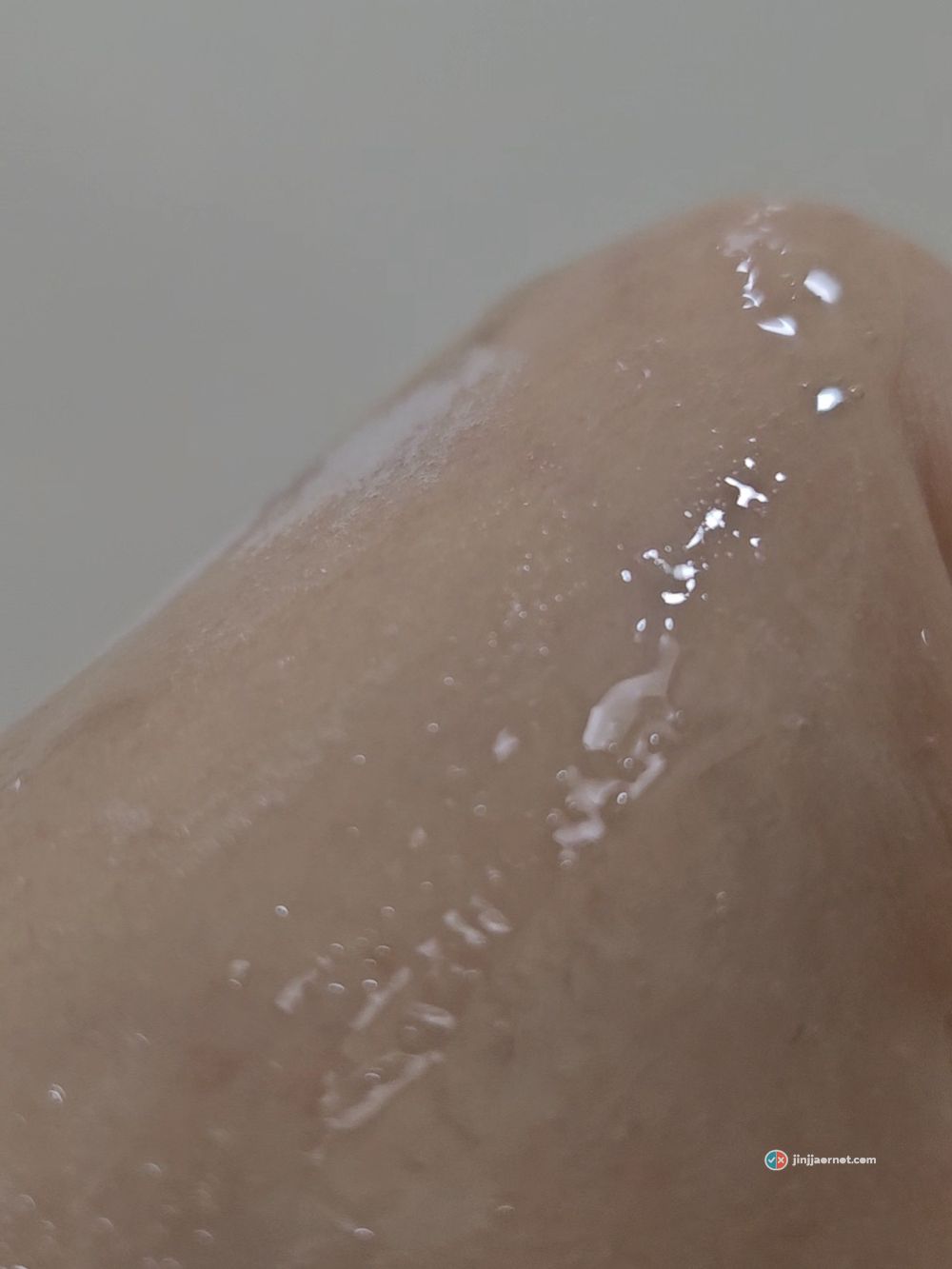
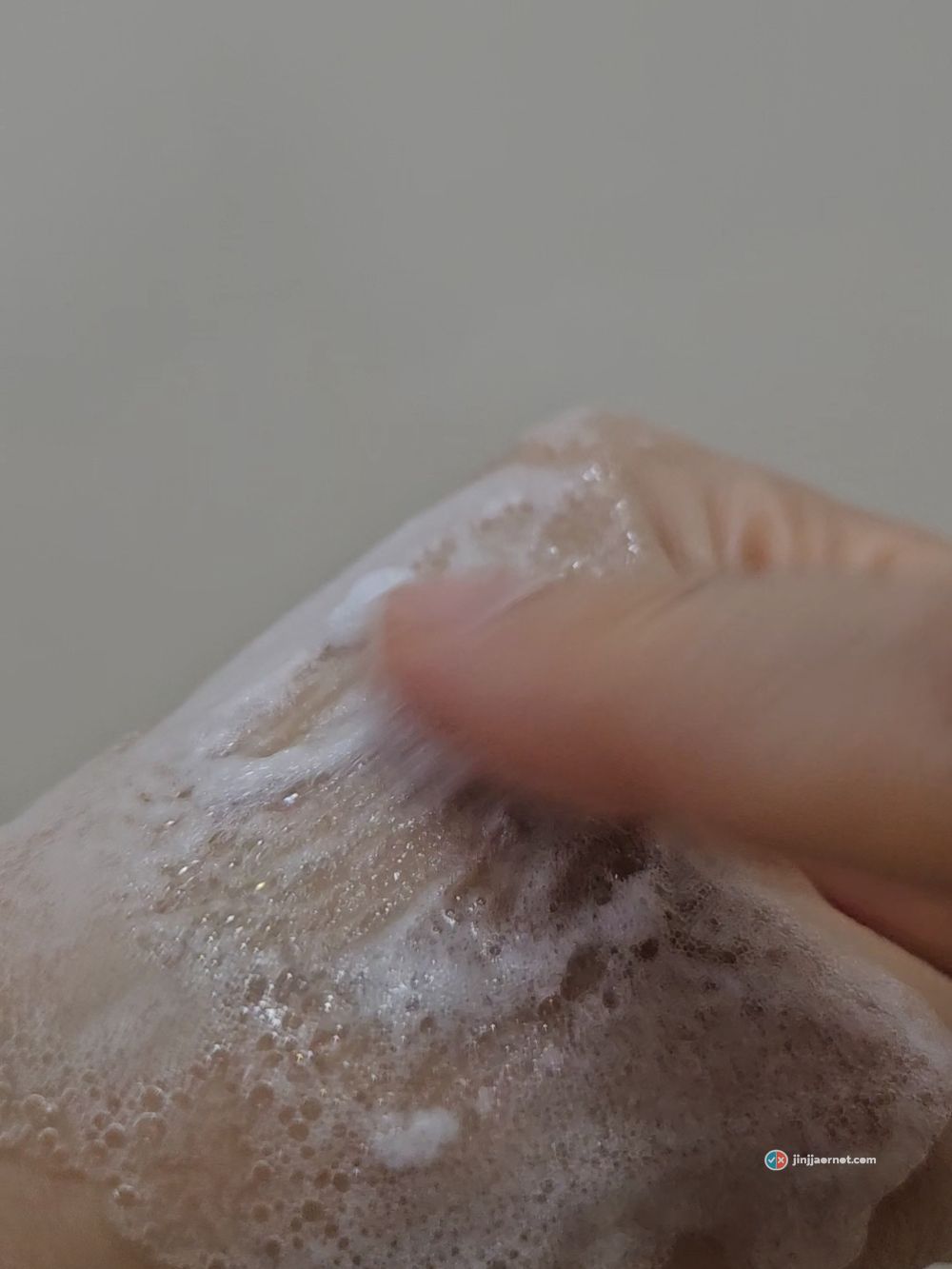
The name is PEPTIDE and the peptides are printed in ppm. Copper tripeptide-1 at 0.001 ppm. Acetyl hexapeptide-8 at 0.001 ppm. Palmitoyl pentapeptide-4 at 0.0001 ppm — roughly a thousandth of the smallest figure anywhere else on this page.
And this is where the page has to be careful with itself. Peptides are signalling molecules that work at concentrations far below anything a botanical extract needs, so a tiny number here does not mean what a tiny number means further up the table. On top of that, this is a cleanser: whatever is in it gets rinsed off in under three minutes, which the box itself tells you to do.
So the number isn't the scandal. What the number does is tell you what you're actually paying for, and in this case it's the foam. That's a real thing to buy — I enjoyed using it and the bubbling is genuinely pleasant on a tired face. Just buy it for the experience it delivers rather than for the word on the front.
One more thing worth noticing on the same box. Its four clinical figures sit side by side: fine-dust cleansing 99.99%, barrier improvement 45.97%, soothing 3.37%, pore elasticity 2.55%. A fortyfold spread, all printed at the same size. Korean rules made them show the small ones next to the big one, and that is exactly the point of this page.
How to read the units
Brands pick the unit that makes the number look biggest, and it works.
| Written as | Means |
|---|---|
| 1,000,000 ppm | 100% |
| 670,000 ppm | 67% |
| 10,000 ppm | 1% |
| 1,000 ppm | 0.1% |
| 10 ppm | 0.001% |
| 10,000 ppb | 10 ppm — the same thing, written to look bigger |
Watch for ppb. Parts per billion is a thousand times smaller than parts per million. Anua prints its heartleaf as 10,000 ppb, which is a legitimate way to write 10 ppm and also the way that puts four digits in front of your eyes instead of two.
Why the number exists at all
Korean cosmetics rules tie the label to the claim: name an ingredient in the product name or advertise it on the pack, and you have to declare how much of it is in there. It is not a quality standard and it doesn't stop anyone selling a 10 ppm product — it just means the brand has to say so.
You can watch the rule work. ma:nyo used to sell this oil as Pure Cleansing Oil, and it printed no percentage anywhere. The 2026 repackage renamed it Pure Soybean Cleansing Oil — and the number appeared. Same formula, same volume, same effect, as the brand's own before-and-after page says. Adding one word to the name is what obliged them to print 670,000 ppm.
None of this reaches the version you buy abroad. The US package carries an ingredient list in descending order and no figures. So the brands with high concentrations have no way to prove it to you in English, and the brands with 10 ppm have no reason to mention it. Reading the Korean box is the only way to tell those two apart, and it is the entire job of this site.
Questions I get asked
Does a low number mean I've been scammed?
No. It means the name is a marketing decision rather than a description of the formula. Buy it for how it performs — just know what you're paying for.
Why is the number on the box and not the bottle?
The full ingredient list usually lives on the box, and the bracketed figure lives inside that list. Front-of-pack percentages exist but often measure something broader: ma:nyo's bottle says 87%, which is all 14 plant oils added together, not the soybean alone.
Will the US version have the same number?
The formula is usually the same, but the packaging carries no figure. Occasionally the formula differs too — Round Lab's birch sunscreen is SPF50+ in Korea and 45 in the US.
How do you get these numbers?
I buy the product in Korea, keep the box, and type out the Korean ingredient list. Nothing here is taken from a brand's English marketing copy. How I test covers the rest.
This page grows every time I read a new box. If there's a Korean product you want the number for, tell me and I'll buy it.
The categories these came from, in full: five cleansing oils, three balms, two milks and four foams. New to the category? Start with what a balm, an oil and a milk each do.
For food rather than skincare, what Koreans actually buy ranks ramyun, snacks and biscuits on government sales data.