🧼 K-Beauty · Explainer
Cleansing balm, oil or milk? What the Korean labels say each one is for
Heads up: some links on the linked pages are affiliate links, so I may earn a small commission if you buy through them — at no extra cost to you. I bought everything named here with my own money, in Korea.
The short answer
Balm for heavy makeup. Oil for oily, breakout-prone skin. Milk for gentle and hydrating. That's not a personality quiz — it falls straight out of what each format is made of, and Korean brands print human trials that back it up. Read off Korean packaging, in Korea
The difference is what dissolves your face
Everything else follows from this one thing.
A balm is wax and synthetic esters. Read the top of almost any Korean balm's list: synthetic wax, ethylhexyl palmitate, cetyl ethylhexanoate, isododecane. The wax makes it solid. The esters do the dissolving. And isododecane is the same solvent that makes waterproof makeup waterproof in the first place — which is exactly why a balm beats everything else on a long-wear tint.
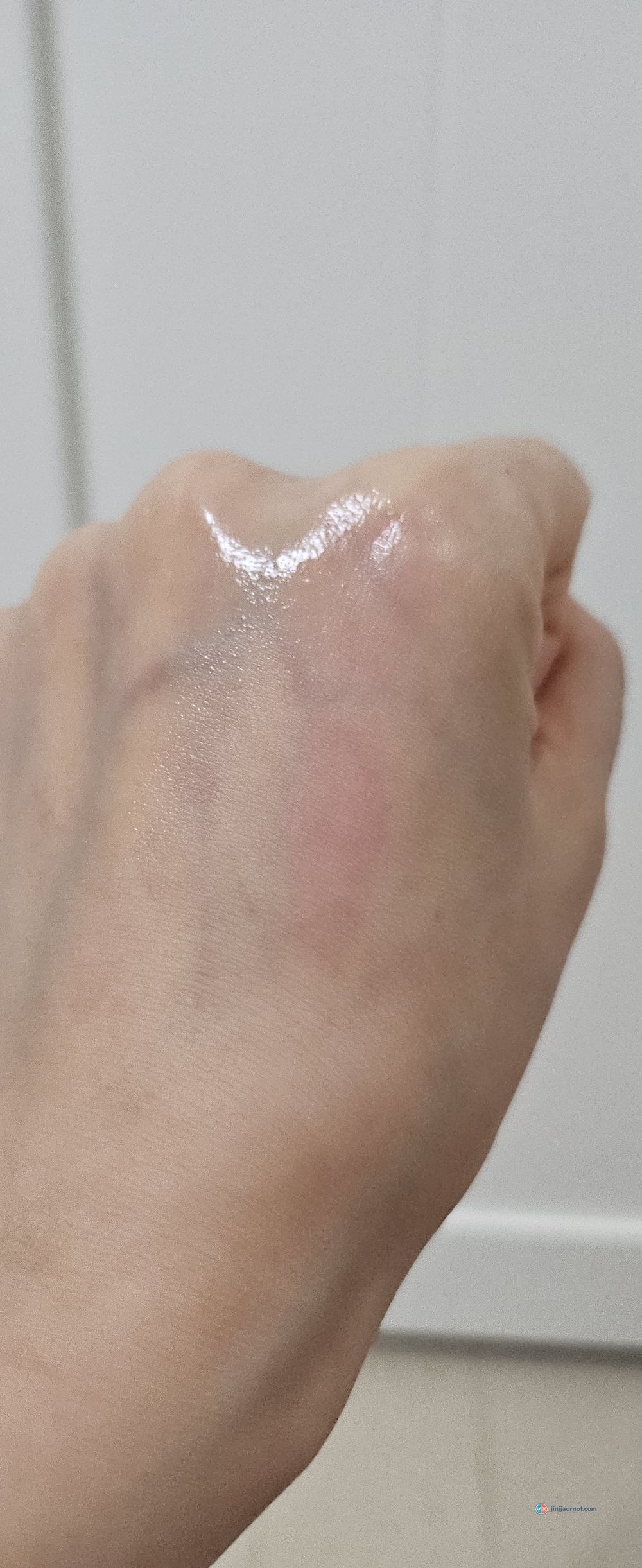
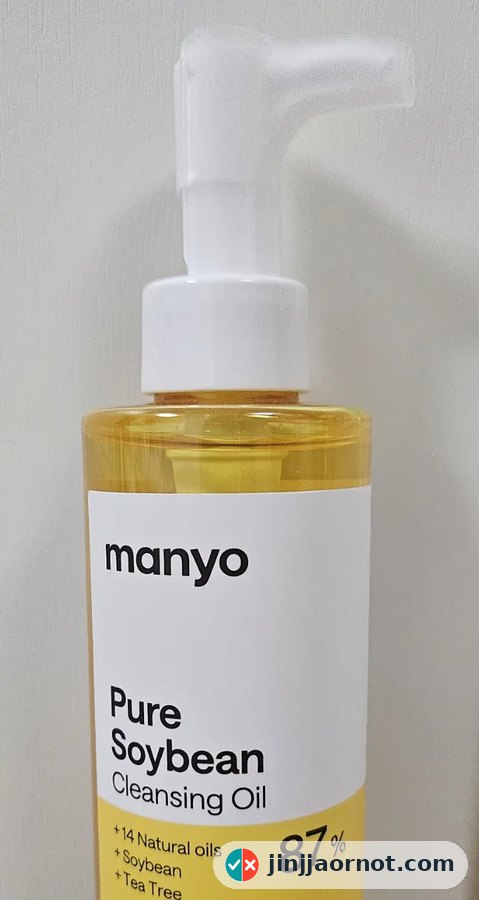
An oil is plant oil. The ma:nyo I keep rebuying prints soybean oil at 67% on the Korean bottle. Oil dissolves into oil — including the oil already sitting inside a pore, which is the one thing the other two formats can't reach.
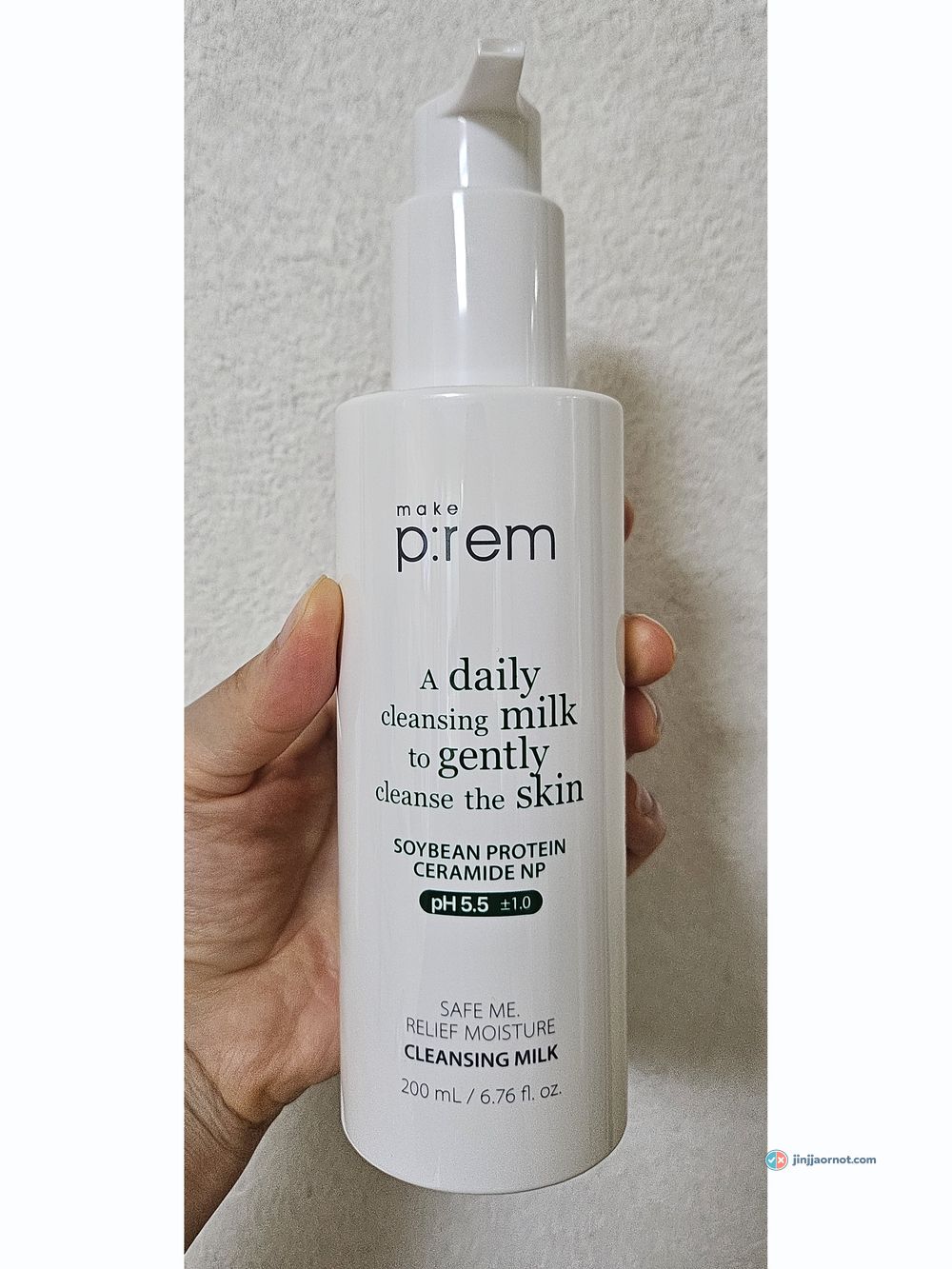
A milk is mostly water. Water first, then glycerin, then a little oil. That makes it the gentlest of the three and, unavoidably, the weakest.
The brands already sorted them for you
This is the part English listings drop. Korean boxes print which human-application trials a product passed, and the trials are different for each format.
The ma:nyo Deep Clear balm lists waterproof product removal and sunscreen removal. No pore trial. The make p:rem milk lists eight tests, five of them about irritation, barrier or tightness. The ma:nyo Pure Soybean oil carries a suitability test for acne-prone skin.
Three products, three sets of trials, three different jobs. A company that pays for a waterproof-removal study and skips a pore study has told you what it built. I find that more useful than anything on the front of a box.
So I drew on my hand
Lip tint and liquid liner, thirty seconds of rubbing, one wipe.
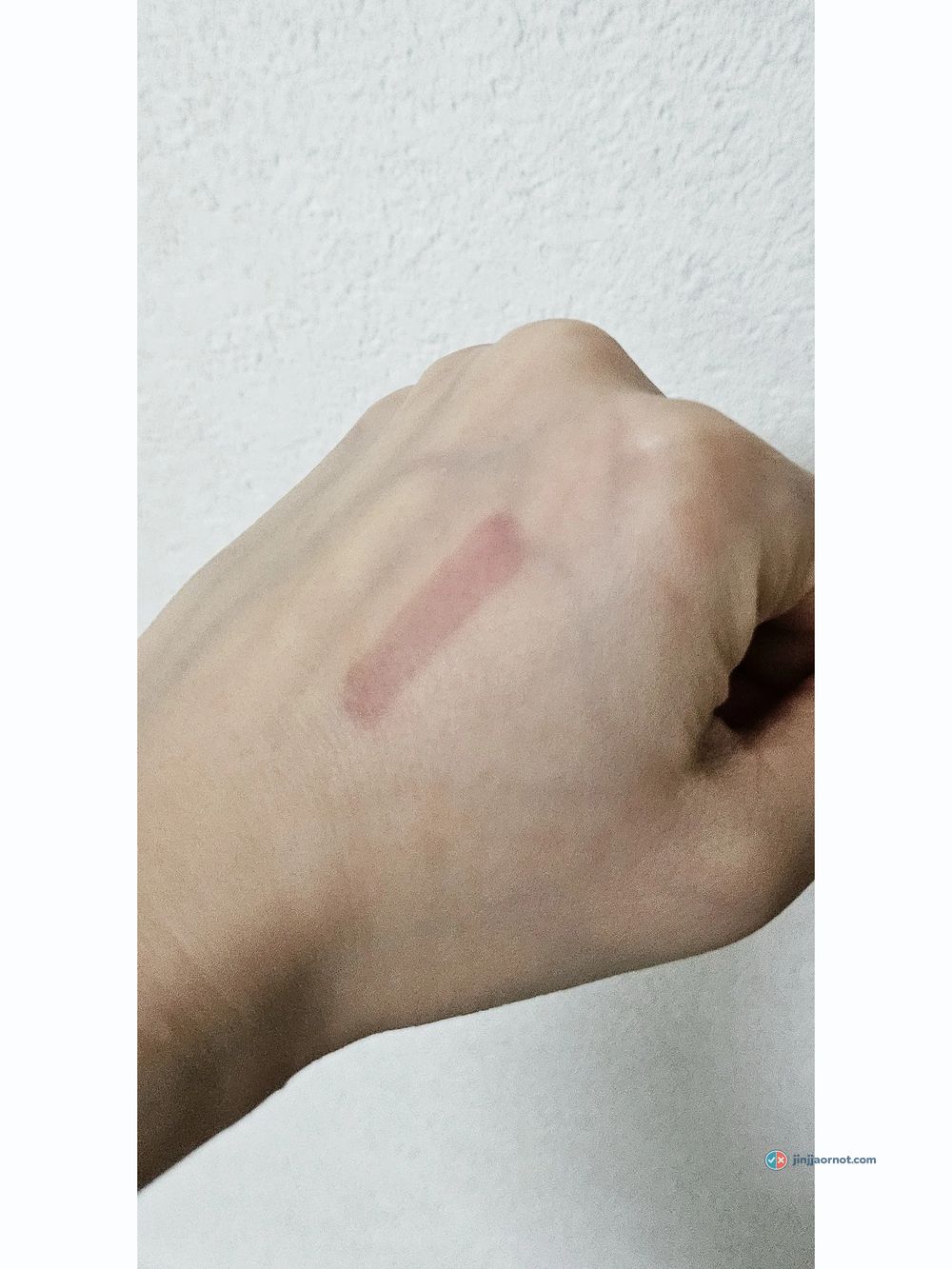
That stain is the whole hierarchy in one photo. The milk is visibly weaker as a first cleanse. It isn't a flaw. It's why a milk feels kind on skin that a stronger cleanser leaves tight.
Pick yours
Waterproof mascara, long-wear tint, full base → balm. Also if you hate water everywhere: a balm is scooped with a dry hand onto a dry face, and it doesn't count as a liquid when you fly. Three Korean balms compared.
Oily T-zone, clogged pores, breakouts → oil. This is the only format that dissolves into what's already in the pore. Six Korean oils compared, or the long answer on pores.
Tight after washing, sunscreen and light base only → milk. Least work of the three: pump, roll, rinse. Two Korean milks compared.
All three → follow with a second cleanse. Every one of these is step one, and every box that says otherwise has still left oil on my face. Foams here.
Not sure? The cleanser finder asks four questions and shows you the runner-up as well as the pick.
Questions I get asked
What's the actual difference between them?
What dissolves your makeup. Balm: wax plus synthetic esters. Oil: plant oil. Milk: mostly water. Everything else — how strong it is, what it's good at — follows from that.
Which one for blackheads?
Oil. It dissolves into the oil already in the pore. A wax balm and a water-based milk can't reach the same place.
Do I need a second cleanse after all three?
Yes. All three are first cleanses.