🧼 K-Beauty · Comparison
3 Korean cleansing balms: two of them are the same evening
Heads up: some links below are affiliate links, so I may earn a small commission if you buy through them — at no extra cost to you. I bought all three of these with my own money, in Korea, and read the concentrations off the boxes myself.
The short answer
Banila Co Clean It Zero and the Beauty of Joseon balm were the same experience on my face — same wax, same removal, same second wash — until the makeup got heavy, which is the one limit Beauty of Joseon prints on its own box. beplain's Milk Balm is the one that behaves differently: it turns liquid on contact with warm skin. It costs the most in Korea and about the same as the others in the US. The rice is 0.01%, and it's on the Korean side of the box
The three
| Balm | Size | Korean price | What the name promises |
|---|---|---|---|
| Banila Co Clean It Zero Original | 100 mL | ₩20,000 | Nothing — the name is about the result |
| Beauty of Joseon Radiance Cleansing Balm | 100 mL | ₩19,000 | Rice, as the brand's whole identity |
| beplain Mung Bean Pore Cleansing Milk Balm | 100 mL | ₩25,000 | Mung bean, and milk |
Same size, same category, same step in the routine. In Korea the beplain costs about 30% more than either of the other two. Hold onto that number — it does something strange when the products cross the Pacific.
The thing I can tell you that a US review can't
In Korea, these three are not priced as equals. beplain is the expensive one. If you stand in an Olive Young and pick up all three, the milk balm asks you for ₩5,000 more than the wax balms, and you feel it.
In the US, that gap mostly disappears. Banila Co and Beauty of Joseon both land around $21 for 100 mL. beplain lands in the same neighbourhood, and at the time I'm writing this it's actually below both of them.
What that means in practice: the premium Korean shoppers pay for the milk balm is a premium American shoppers largely don't. If you were going to buy one of these three anyway, the one that costs extra here is the one you can take for free there.
US prices move around, so check before you buy rather than trusting my number. But the ordering is the durable part, and it's inverted. That's not a deal I found. It's what happens when three products get exported by three companies with three different distribution setups.
Table A: what the labels say
| Balm | Hero ingredient, by the numbers | Fragrance |
|---|---|---|
| Banila Co | No headline botanical to declare | Fragrance listed |
| Beauty of Joseon | Rice bran oil 100 ppm · rice seed water 0.97 ppm · rice extract 0.29 ppm — 101.26 ppm total, about 0.01% | None listed |
| beplain | Mung bean at 1,000 ppm — about 0.1% | None listed |
Korean cosmetics law requires that when an ingredient appears in a product's name, its concentration is printed on the box. That's why I can give you these numbers and an English-language reviewer usually can't — they're on the Korean side of the packaging, in Korean.
The rice is printed to two decimal places, and it's mostly oil
Beauty of Joseon built an entire brand on rice. The balm carries "Radiance" in its name and lists rice three separate times on the box — and Korean law makes them print how much of each.
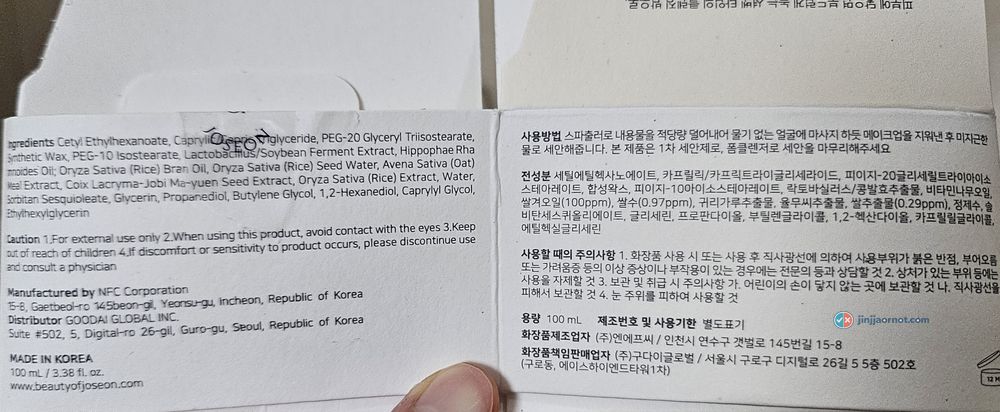
Rice bran oil at 100 ppm. Rice seed water at 0.97 ppm. Rice extract — the one that sounds most like skincare — at 0.29 ppm, which is roughly three parts in ten million.
Here's the fair reading, though. Rice bran oil is the one of the three that actually belongs in a balm: it's an oil, and a balm is an oily product. The two rice extracts are water-based, and a balm has almost no water in it for them to live in. So the ingredient that made it in at a meaningful ratio is the one that does a job, and the ones in the decimal places are there so the word "rice" can appear on the list.
Which gives you a clean instruction rather than a complaint: if you came for the rice, buy the toner or the serum, not the balm. Those are water-based, and water-based Korean products routinely carry double-digit percentages of the thing on the front. I found the same split with cleansing oils versus cleansing foams — the oils hold their hero ingredient in parts per million while the foams hold it in whole percents. A balm sits on the oil side of that line, and no brand can change that.
One more thing the label gives away: this isn't only a rice balm. There's oat and Job's tears extract in there too, plus sea buckthorn oil. The front says rice because rice is the brand.
The milk in "Milk Balm" isn't dairy
beplain's version is more interesting because the name is doing two jobs. Mung bean is there at 1,000 ppm — ten times the rice figure, still a tenth of a percent. But the "milk" isn't an ingredient level at all. There's a soy milk ferment on the list at 300 ppb, which is a thousandth of a ppm, so it isn't what's making anything milky.
The milk is the texture. The balm turns white and liquid on your skin and rinses like a cleansing milk. The name is describing what you'll see, not what's inside — which is more honest than it first looks, and worth knowing if you're avoiding dairy for any reason. There is none in here.
Only one of the three has fragrance
Banila Co lists Fragrance. The other two don't. If you're the kind of person whose face objects to scented cleansers, that single line is the entire decision, and it's the one clean separation between the two wax balms.
And one of them prints its own limit on the box
This is the part I didn't expect. On the English side of the Beauty of Joseon carton, under How to use, the brand writes that the balm is suitable for light makeup and recommends you use an appropriate product for waterproof or heavy makeup.
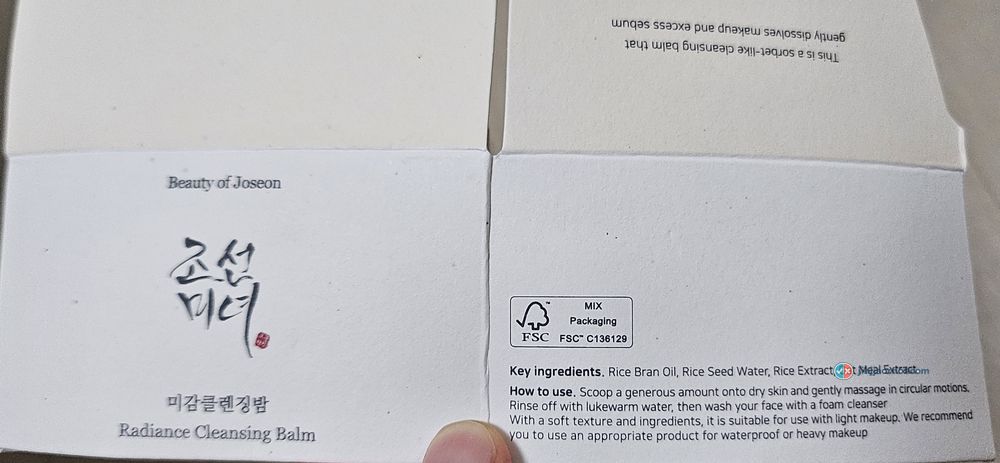
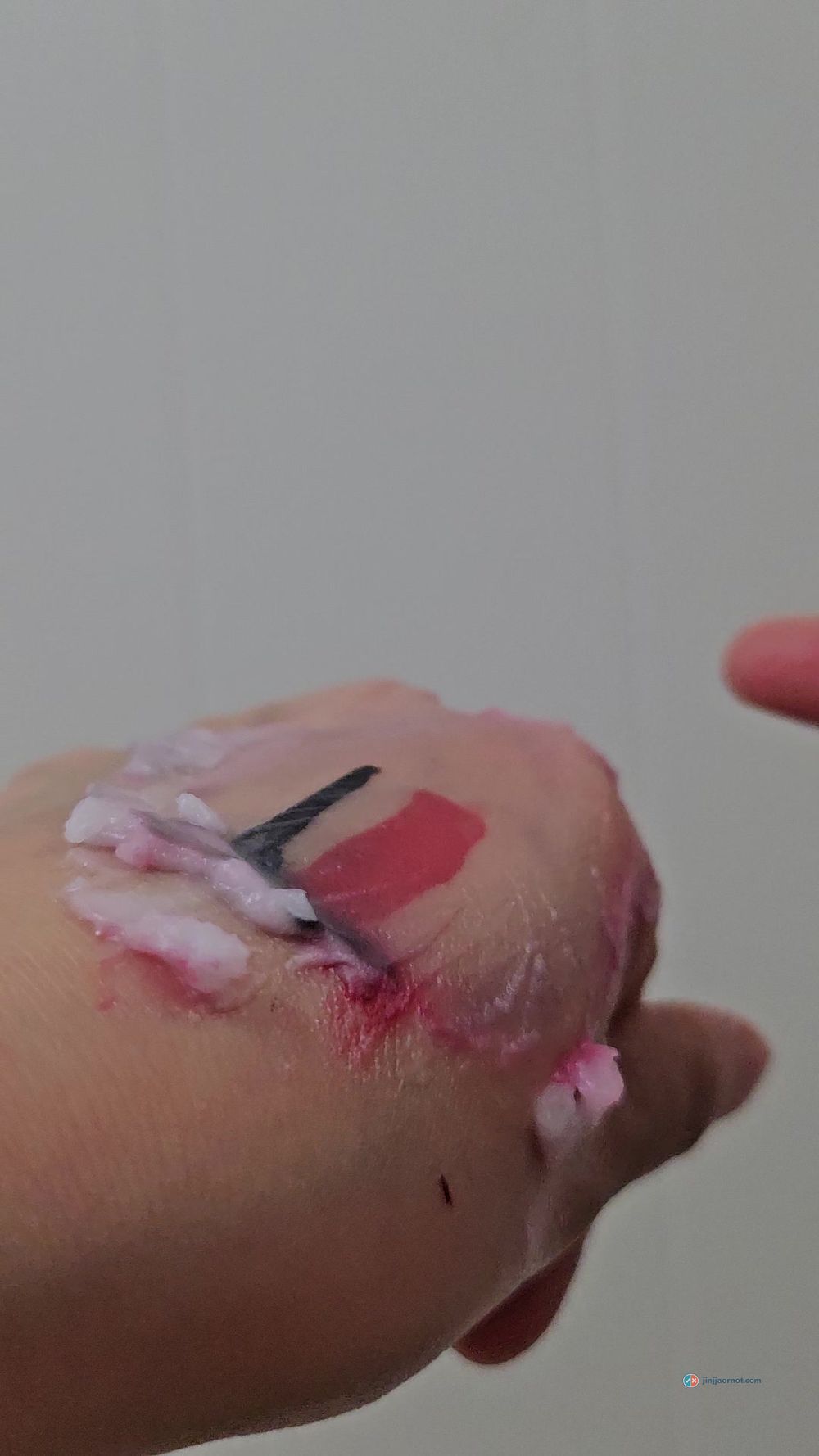
Neither of the other two says anything like this. Banila Co sells Clean It Zero as the thing that takes everything off; beplain's messaging goes further still and hints you might not need a second cleanse at all.
I'd rather reward that than punish it. A brand that prints its own ceiling is a brand telling you the truth before you're disappointed by it. And it hands you the decision rule for free: light makeup or sunscreen-only days, this is the cheaper of the two wax balms and it has no fragrance. Full face, waterproof mascara, long-wear tint — take the Banila Co, or take the beplain.
It also explains something I'd otherwise have had to guess at. I wear light makeup most days, which is exactly the condition the box describes, and that's very likely why the two wax balms felt identical to me. I can tell you what I found on my face. I can't tell you what happens on a face wearing more than mine, so I'm handing you the manufacturer's own answer instead of inventing one.
Table B: what I actually noticed
| Balm | Texture | Second cleanse | Finish |
|---|---|---|---|
| Banila Co | Firm wax, closer to hair wax than cream | Yes | Clean, slightly bare |
| Beauty of Joseon | Firm wax — I could not tell it apart | Yes, and the box insists on it | Clean, slightly bare |
| beplain | Melts to liquid from body heat alone | Yes | Noticeably softer, stays comfortable |
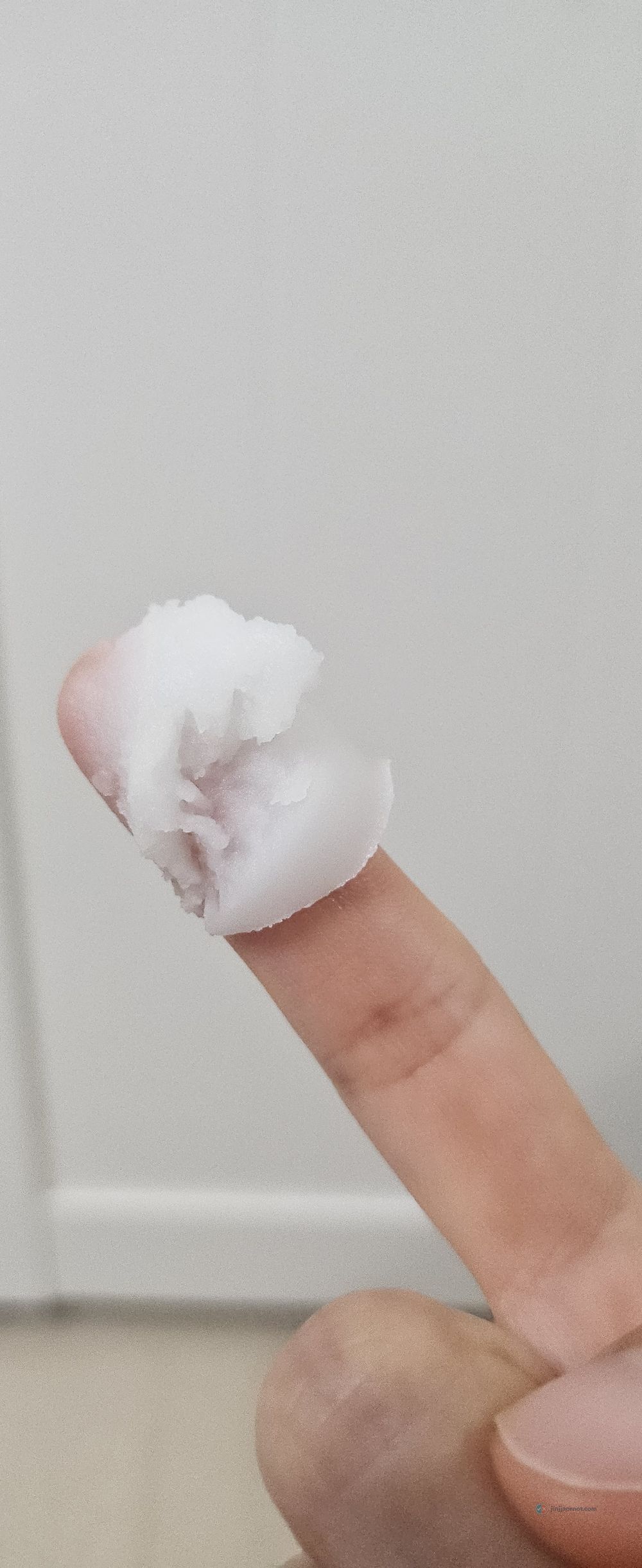
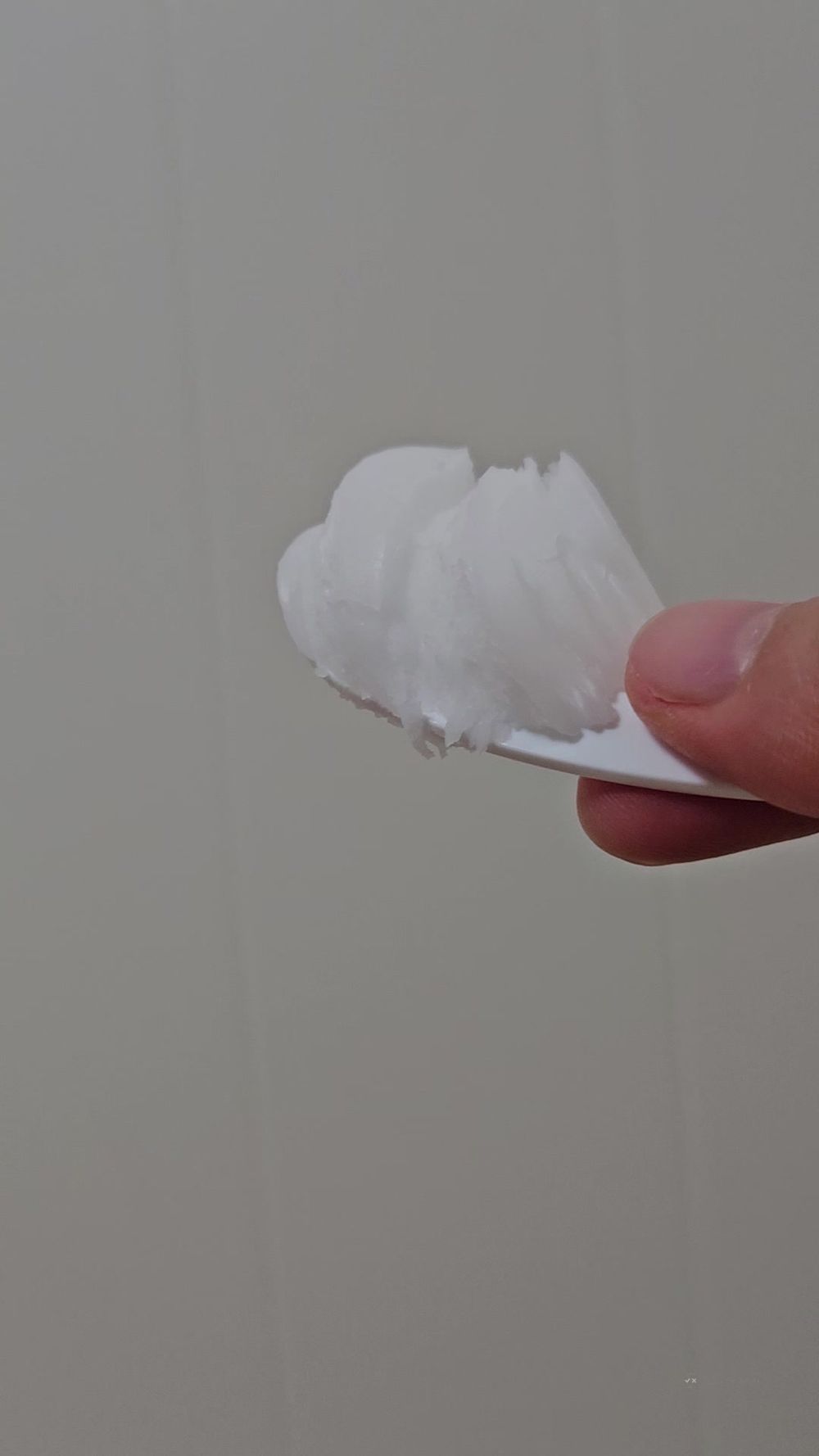
I want to be precise about what I'm claiming with the two wax balms. I'm not telling you they're the same formula — I haven't tested that and I can't. I'm telling you that across normal evenings, with normal makeup, I could not find a difference that would change which one I reached for. Same firmness, same melt time, same amount of rubbing, same need to wash again afterwards.
That's a genuinely useful result even though it sounds like a non-result. It means you don't have to agonise over these two. Buy on fragrance, price and whichever one is actually in stock, and you will not have made a mistake.
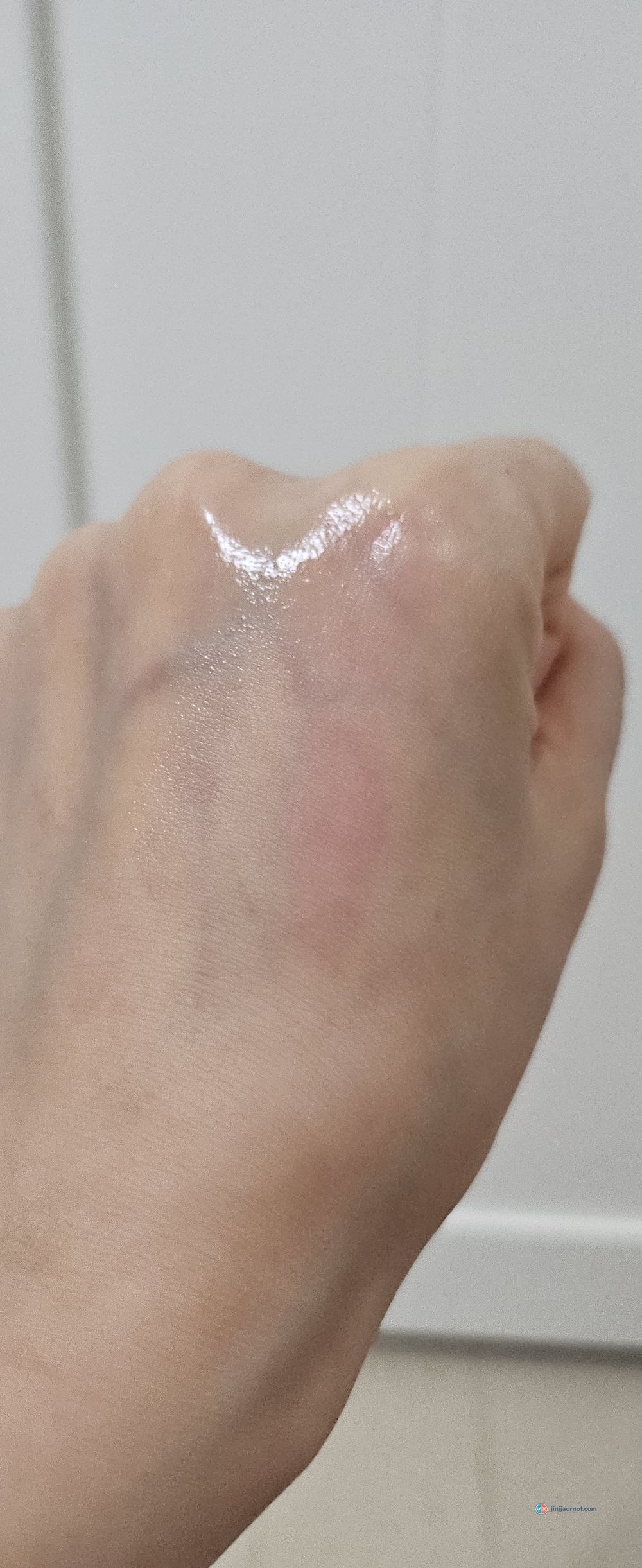
Except on one point, and the box says it out loud
There is one line where Beauty of Joseon draws a limit that Banila Co doesn't. It's printed in English on their own box: the balm suits light makeup, and for waterproof or heavy makeup they recommend you use a different product.
I take brands seriously when they say something that costs them a sale. My evenings are light-makeup evenings, which is why the two felt identical to me — I was never asking this balm to do the thing it says it isn't for.
So the split is sharper than "they're the same." For everyday makeup, pick either. For waterproof mascara, long-wear base or a full face, take the Clean It Zero — it holds up to heavy makeup and doesn't hedge about it. That's the clearest reason to choose between two balms that otherwise behave the same way.
The one that isn't like the others
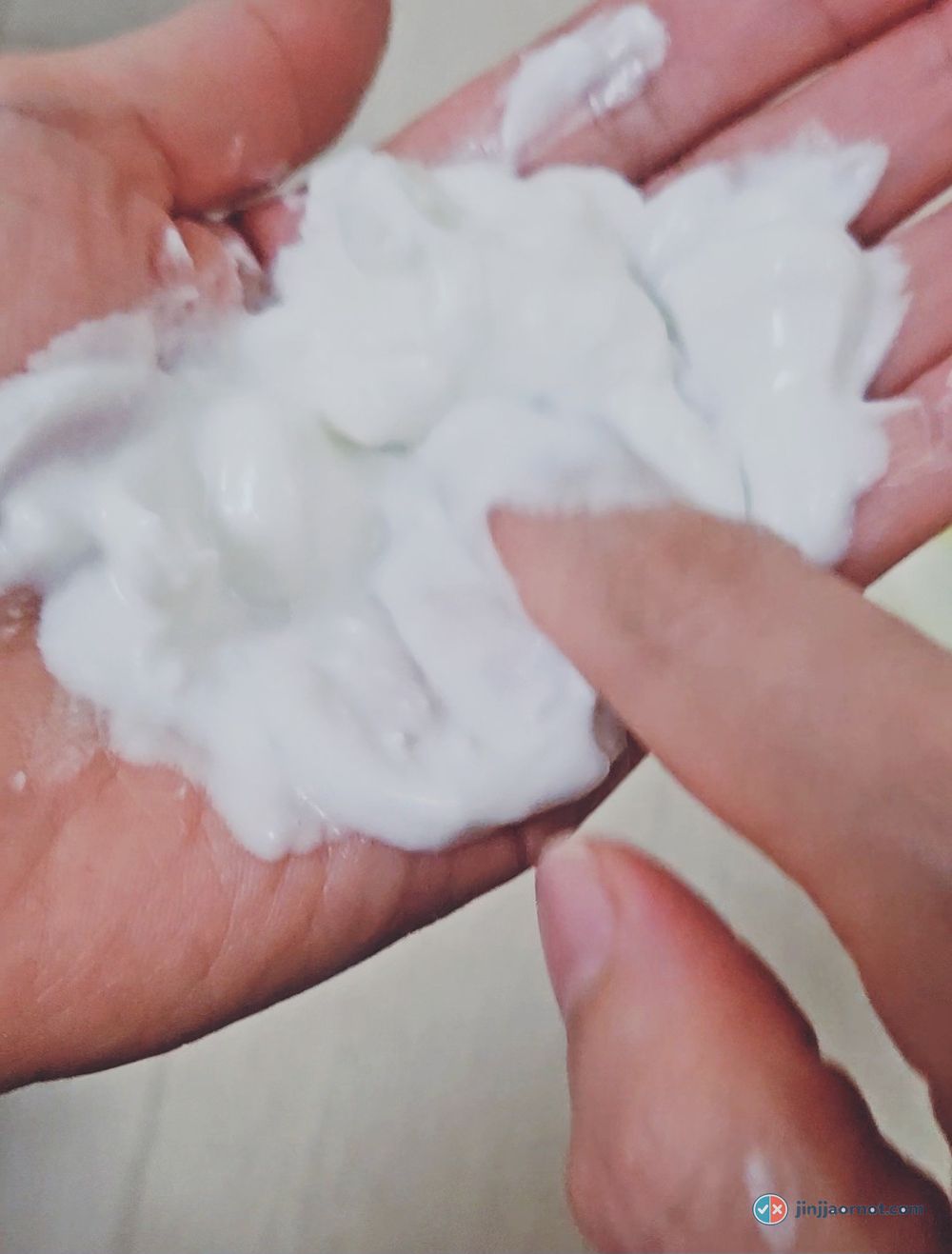
beplain's balm doesn't wait for water. Scoop it, put it on dry skin, and hand temperature alone turns it liquid — it will run off your fingers if you're slow about it. The brand describes it as going milky on contact with skin. In my experience it melts further and faster than that suggests.
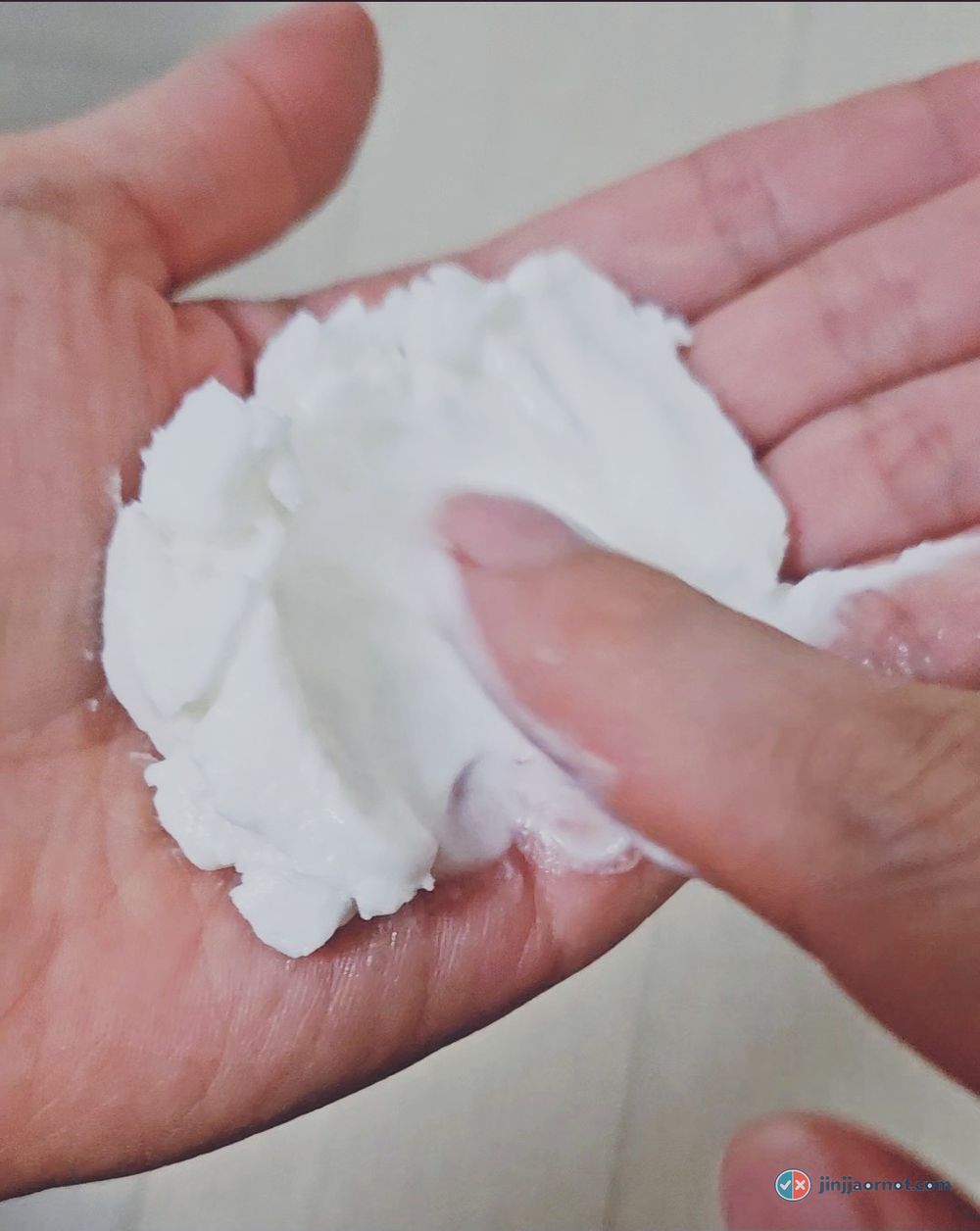
For contrast, here is the Beauty of Joseon after the same warmth and the same amount of working between my fingers.
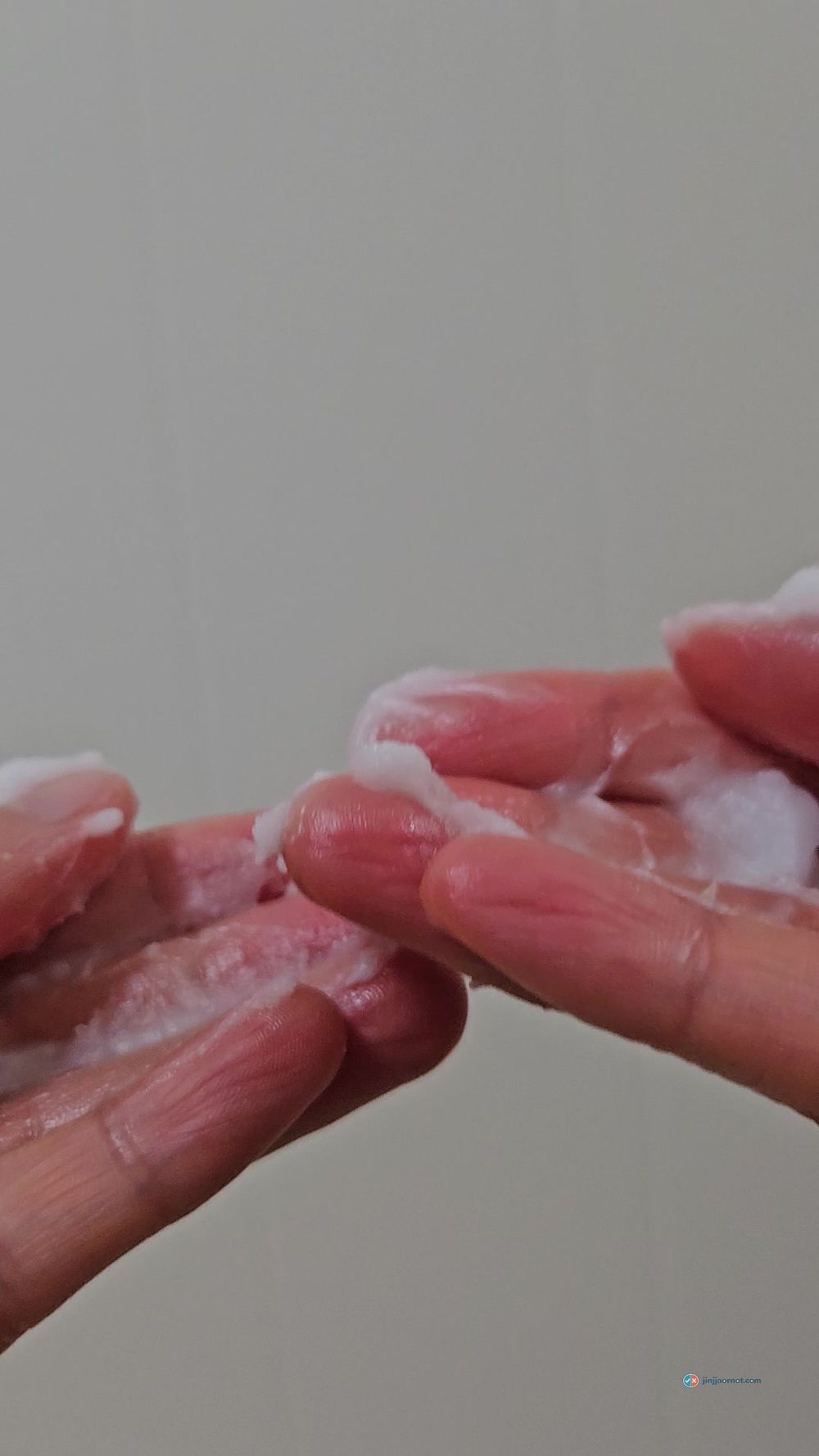
Practically, that changes two things. Less rubbing, which matters if you have anything reactive going on. And a softer finish afterwards — where the wax balms leave my face feeling bare in a way that wants toner immediately, this one leaves it comfortable.
Whether that's an improvement depends on you. I actually prefer a squeaky finish, and I'd still buy this again. That's the strongest thing I can say about it: it won me over on a preference I didn't share.
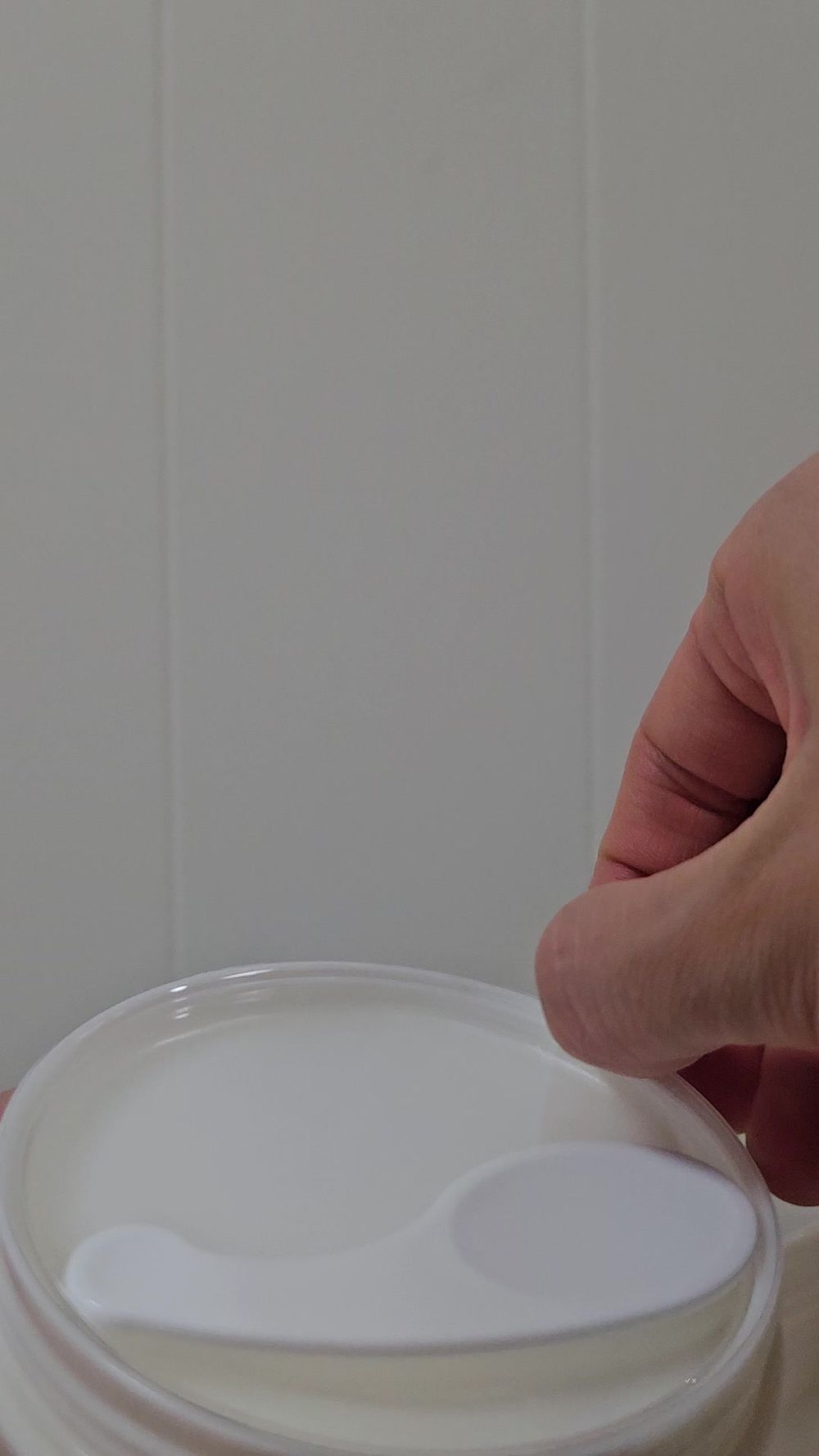
One correction to the marketing, though — you still need a second cleanse. The brand suggests you might not. I washed after it every single time, and I'd tell you to as well. It's step one, not the whole routine. Here's what I use for step two.
What Korea actually buys
Here's a number that reframes all of this. On Korean retail, Clean It Zero has racked up nearly 25,000 reviews. The Beauty of Joseon balm has around a hundred.
That gap isn't about quality — I've just told you I couldn't separate them on my face. It's about what each brand is at home versus abroad. Clean It Zero is a Korean institution; it more or less invented this category for Korean shoppers and has been the default answer for over a decade. Beauty of Joseon is enormous in English-speaking countries and much quieter in Korea, and its balm is a side product rather than a flagship.
Why this is worth knowing: if you found the Beauty of Joseon balm because you already love their sunscreen or their toner, you may be assuming it carries the same reputation. In Korea, it doesn't have one yet. That's not a reason to skip it — it performed identically for me — but it does mean you're buying a brand you trust rather than a product Korea has voted on.
My verdicts
beplain Mung Bean Milk Balm — Will buy again
Twenty days. The only one of the three that does something the others don't, and the one whose finish I keep choosing even though it isn't my stated preference. Most expensive in Korea, not in the US. Full 20-day review here.
Banila Co Clean It Zero — Bought again
Repurchased more than once before I ever started writing about skincare. Fastest to find, easiest to trust, and the small tubs are the best travel cleanser I've used. Contains fragrance — that's the one thing to check against your own skin. Full review here.
Beauty of Joseon Radiance Cleansing Balm — Buy it for light makeup, unscented
It did everything Clean It Zero did on ordinary evenings, slightly cheaper in Korea, with no fragrance on the label. Two things to know: the rice totals 101 ppm, so this is a competent balm rather than a rice treatment — get the rice from their toner or serum. And the box itself says to use something else for waterproof or heavy makeup. Inside those two lines, it's good.
So which one
Fragrance-free is non-negotiable for you → Beauty of Joseon, or beplain if you can stretch.
You want the one that's been proven on millions of Korean faces → Banila Co.
You rub your face too hard, or you finish cleansing feeling tight → beplain. The melt does the work your hands were doing.
You travel → Banila Co. Solid balm doesn't count as a liquid, and the small tubs are made for this.
You wear waterproof mascara or a full base → Banila Co. Beauty of Joseon's own box points you elsewhere for heavy makeup.
Where to buy
All three, on Amazon
Links are filtered to Prime-eligible sellers on purpose. Since the US ended duty-free treatment for low-value parcels, listings shipping direct from Korea can take weeks and can land you a customs bill at your door.
beplain → Banila Co → Beauty of Joseon →Korean cleansing balm FAQ
Which Korean cleansing balm is best?
For most people, Banila Co Clean It Zero — it's the Korean default for a reason and it's the easiest to find. If your skin objects to fragrance, take the Beauty of Joseon instead; it performed identically for me and doesn't list any. If you want something that genuinely behaves differently, beplain's Milk Balm melts on contact with warm skin and finishes softer.
Do I need to wash my face after using a cleansing balm?
Yes. All three of these are step one. A balm dissolves makeup, sunscreen and oil, and then you need a water-based cleanser to take the balm itself off. beplain's brand messaging suggests you might skip it — I washed after it every time for twenty days and I'd recommend you do the same.
Is Beauty of Joseon's cleansing balm actually full of rice?
No. The Korean box prints each one separately: rice bran oil at 100 ppm, rice seed water at 0.97 ppm, rice extract at 0.29 ppm — about 0.01% combined. The rice bran oil earns its place because a balm is an oily product and that is an oil. The two water-based extracts have almost nothing to dissolve into. Their toners and serums carry far higher concentrations.
Is there dairy in beplain's Milk Balm?
No. The only milk-related entry on the label is a soy milk ferment at 300 ppb — a thousandth of a ppm. The "milk" in the name describes what the balm turns into on your skin, not what's in the jar.
What does 미감 mean in Beauty of Joseon's Korean product name?
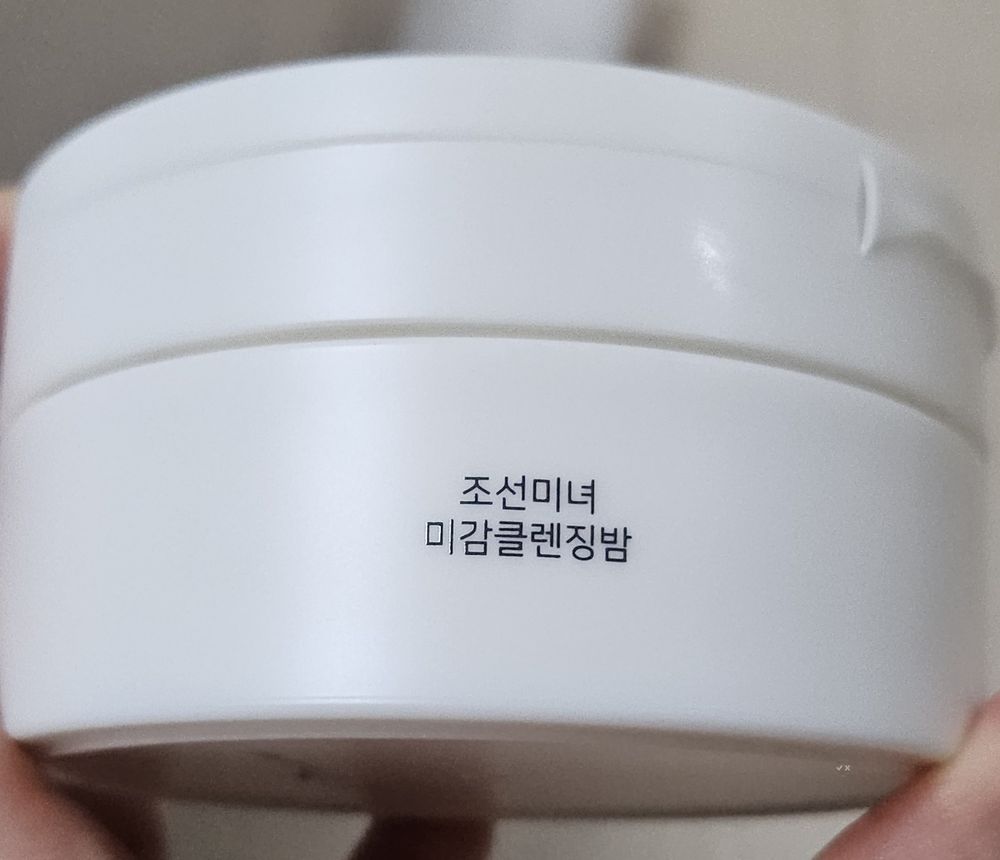
미감 (migam, 米泔) is an old Korean word for the cloudy water left after rinsing rice. The Korean name of this balm is 미감클렌징밤 — literally rice-water cleansing balm. The English name is Radiance Cleansing Balm, which drops the rice entirely. Same box, two different promises.
Will the Beauty of Joseon balm remove waterproof makeup?
Their own box says to use a different product for waterproof or heavy makeup, and recommends this one for light makeup. For everyday makeup it worked exactly as well as Clean It Zero did for me. If you wear waterproof mascara or long-wear base, take the Clean It Zero instead.
Cleansing balm or cleansing oil — which should I use?
They do the same job and you only need one. Balm is easier to travel with and easier to control on the face; oil is faster and less work with your hands. If you wear heavy makeup, balm gives you more time to break it down. I keep both and reach for balm on the days I'm wearing more.
Are Korean cleansing balms cheaper in Korea?
Usually, but not evenly, and that's the useful part. These three sit at ₩19,000–25,000 in Korea, where beplain is clearly the expensive one. In the US all three land around $21, so beplain's premium mostly vanishes. If you want the one that behaves differently, it costs you far less to choose it abroad than at home.