Sunscreen · Beauty of Joseon
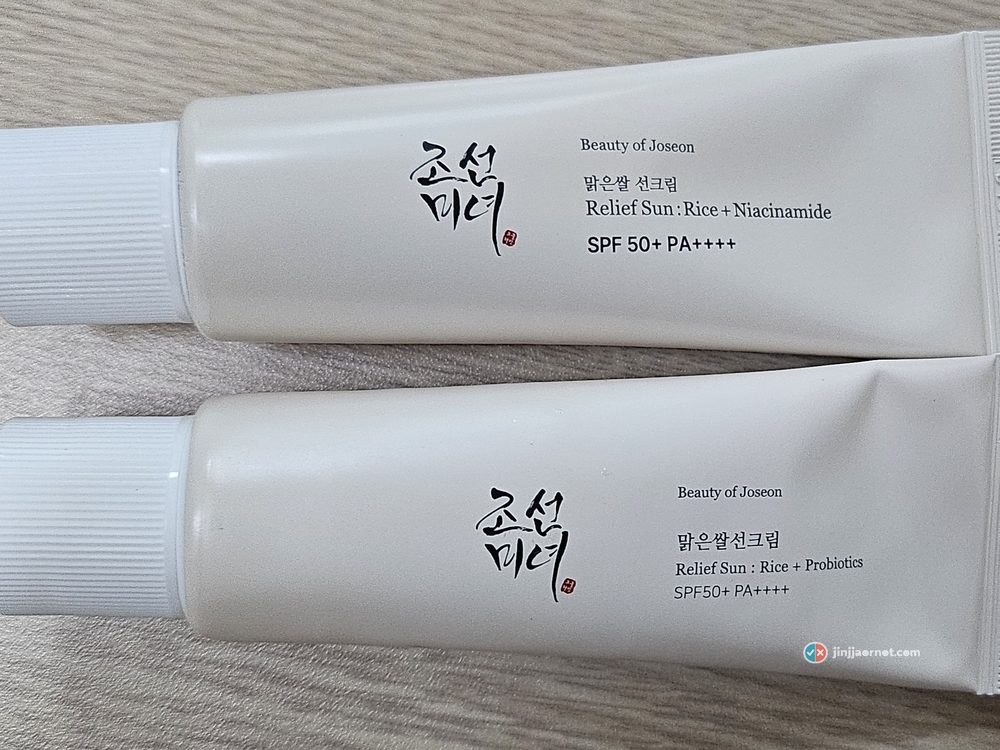
Beauty of Joseon Relief Sun: two tubes, one word different
Heads up: some links below are affiliate links, which means I may earn a small commission if you buy through them — at no extra cost to you. I bought both of these with my own money, and my honest opinion is never for sale.
The short answer
Relief Sun is a chemical sunscreen, SPF50+ PA++++, and it leaves no white cast at all on me. Fragrance-free, light, no sting. The two tubes you keep seeing — Rice + Probiotics and Rice + Niacinamide — are the same sunscreen renamed. Same ingredient list, different word pushed to the front. Jinjja ✓
Start here: it is one sunscreen with two names
If you have stood in front of a shelf holding two of these, you already know the confusion. Same off-white tube, same brush-written logo, same SPF, and one word different on the small line:
- Relief Sun : Rice + Probiotics
- Relief Sun : Rice + Niacinamide
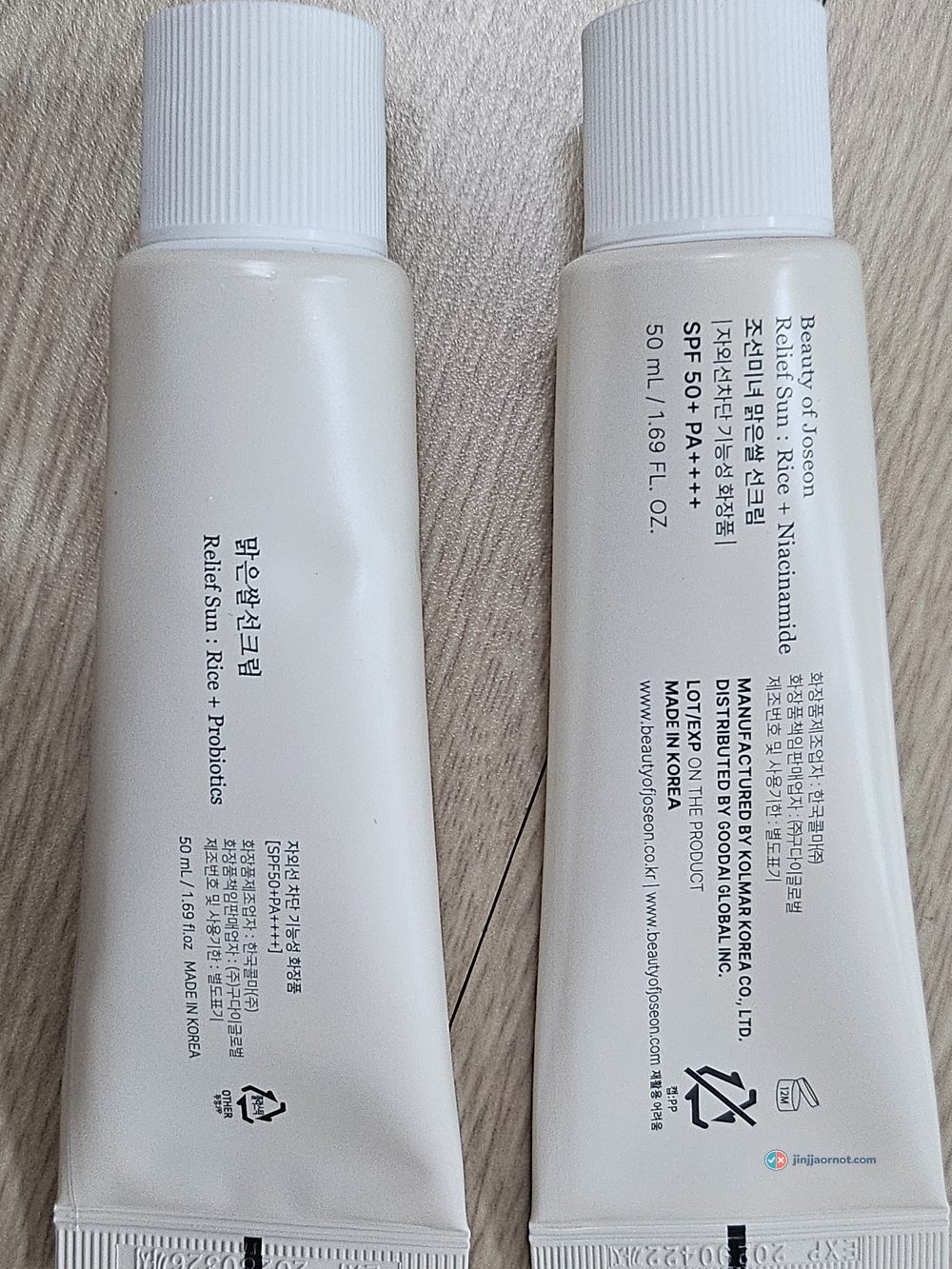
It is the same sunscreen. Niacinamide is the renewed name, and the ingredient list did not change with it — the brand simply moved a different ingredient into the title. Both are 50ml, both SPF50+ PA++++, both made by Kolmar Korea and sold under Goodai Global, both MADE IN KOREA.
So if you have been trying to work out which one is better: that is not the question. Take whichever one is in stock. The rice was always in there and so were the ferments; one box just says the quiet part in a different order.
What the Korean box prints, and what it does not
Here is the part you cannot get from an English listing. Korean rules make a brand print a concentration when the ingredient is part of the product name, so this box carries its numbers in the ingredient list itself.
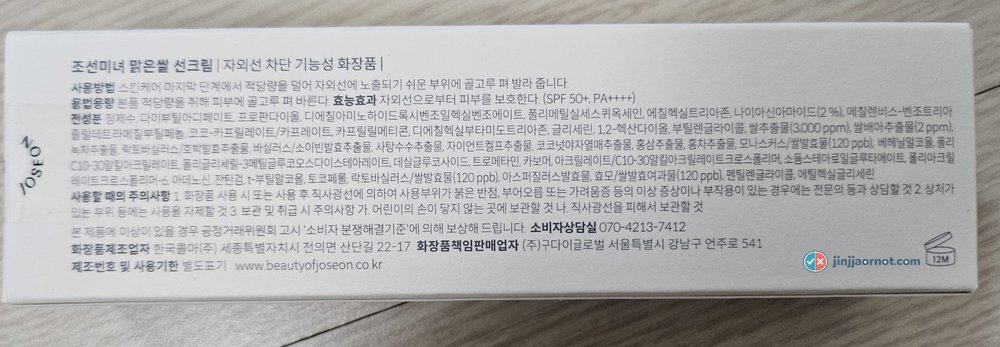
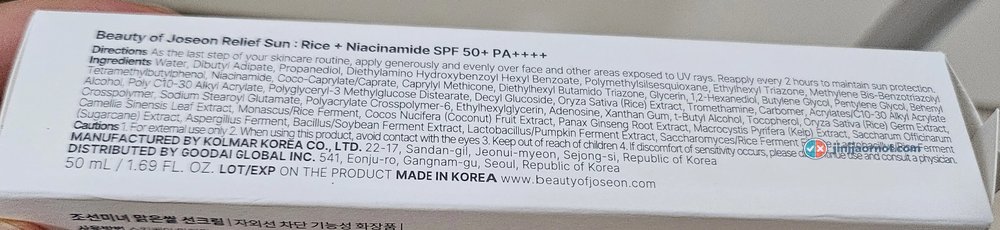
This is the whole thesis of this site in a single photograph. The English panel reads Niacinamide, Oryza Sativa (Rice) Extract, Monascus/Rice Ferment and so on. The Korean panel lists the exact same things in the exact same order — and prints the amount next to each one. If you can only read the top line, you learn what is inside. If you can read the bottom line, you learn how much.
| Printed on the Korean box | Amount |
|---|---|
| Niacinamide | 2% |
| Rice extract | 3,000ppm (0.3%) |
| Rice germ extract | 2ppm |
| Monascus / rice ferment | 120ppb |
| Lactobacillus / rice ferment | 120ppb |
| Yeast / rice ferment filtrate | 120ppb |
So the rice in the name is real: 3,000ppm is 0.3%, which is a normal working amount for a botanical extract. The ferments — the things that make the word probiotics sound meaningful — sit at 120 parts per billion each. That is 0.000012%.
I am not saying that is a scam. Ferment filtrates are used at tiny amounts by design and this is a sunscreen, not a serum. I am saying the number exists, it is printed, and you deserve to see it before you pick a tube based on that one word.
The filters are the real difference between Korea and the US
Look at what is doing the actual sun protection here:
- Diethylamino Hydroxybenzoyl Hexyl Benzoate
- Ethylhexyl Triazone
- Methylene Bis-Benzotriazolyl Tetramethylbutylphenol
- Diethylhexyl Butamido Triazone
There is no zinc oxide and no titanium dioxide anywhere in the list — not a trace of a mineral filter. So yes, this is a fully chemical sunscreen. One footnote for the ingredient nerds: Tinosorb M is an organic filter, but it sits in the formula as fine particles and scatters some UV as well as absorbing it. It is still not a mineral.
These are modern filters used across Korea and the EU. They are not on the US approved list for sunscreen. That is a regulatory difference rather than a quality one — the US list has not been meaningfully updated in decades — but it explains something readers keep running into: why a Korean sunscreen you loved cannot simply be reissued in an American version without changing the formula.
It is the same story I found on the Round Lab birch juice tube, where the Korean box says SPF 50+ and the US one says 45+ with a different filter set.
How it actually wears
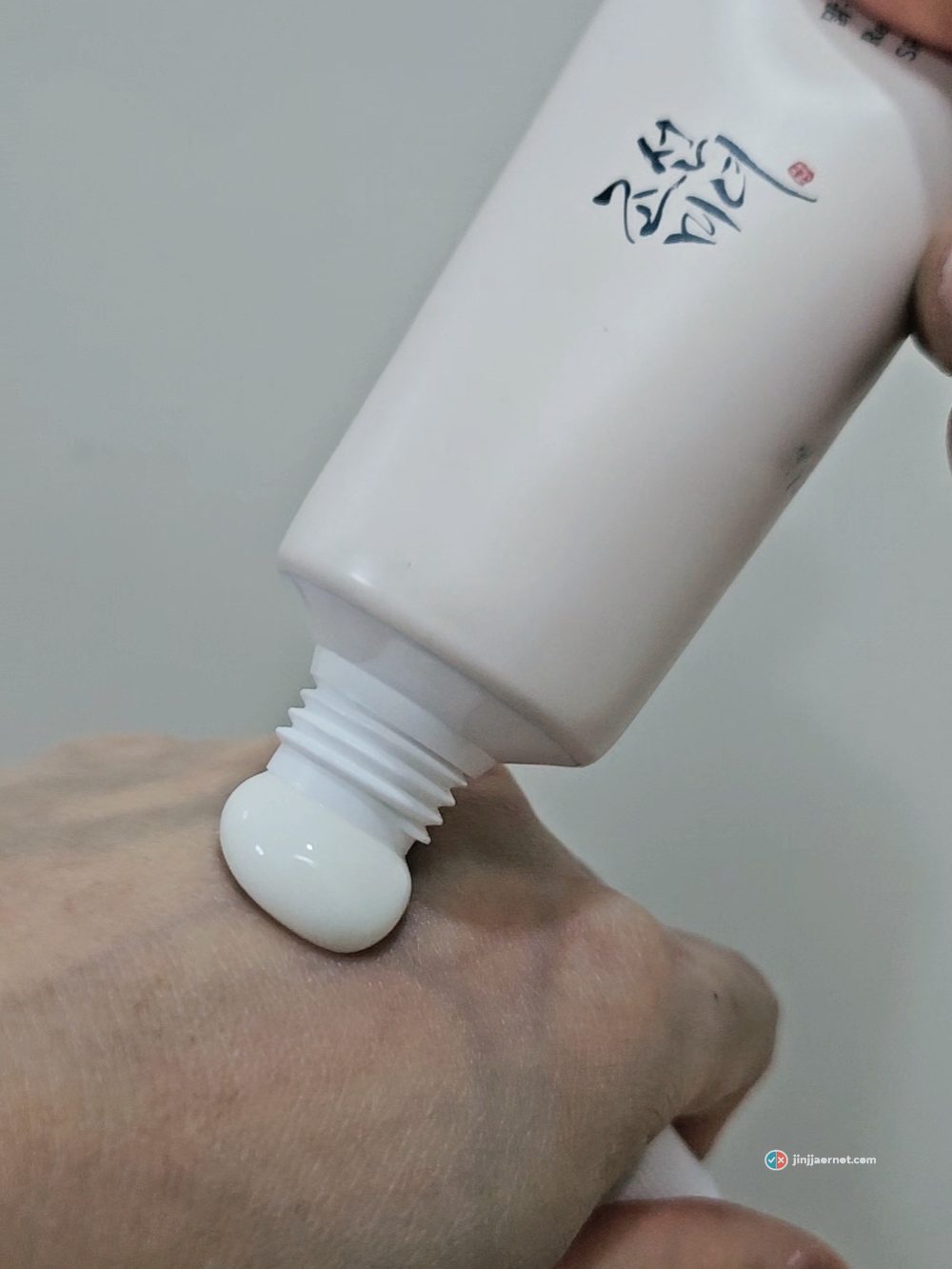
It is a light milky fluid. It spreads without dragging, sinks in within about half a minute, and leaves a slight sheen rather than a film. Fragrance-free — nothing in the ingredient list and nothing I can smell on my face.
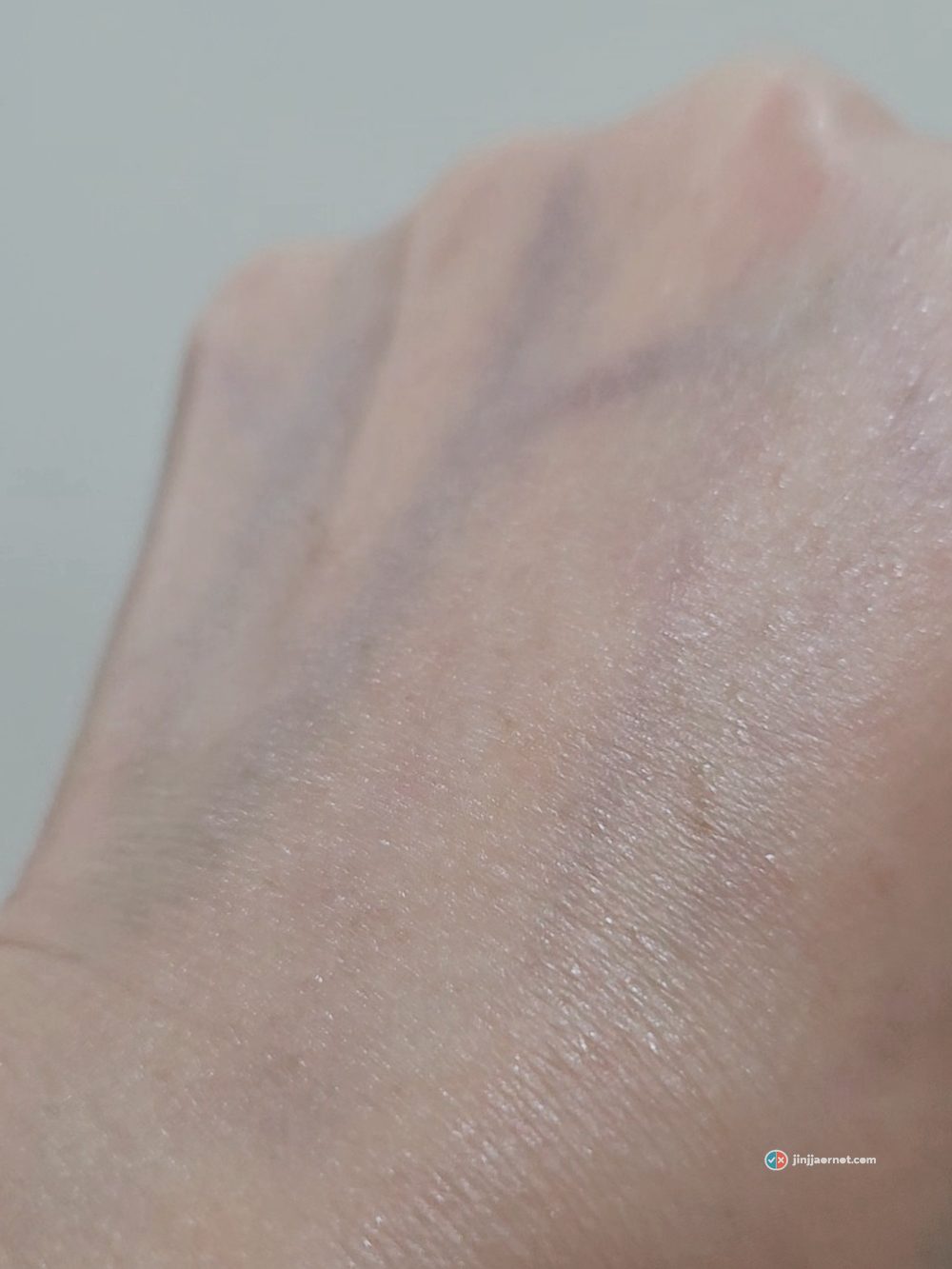
Against the Round Lab 1025 sunscreen, which is the lightest I own, this one leaves very slightly more emollient feel. The gap is small enough that I would not choose between them on that alone. If your skin runs oily and you want the absolute driest finish, Round Lab still wins by a hair.
The thing almost nobody says out loud
A chemical sunscreen is built to stay on your face. That is the entire point of it. Which means water and a foaming cleanser will not fully take it off, and if you have been wondering why your pores look worse since you started wearing sunscreen daily, this is the first place I would look.
Use an oil or a balm first, then your foam. If you want the version of that with label numbers attached, I compared five Korean cleansing oils and three balms, and the cleanser finder will match you to one.
Who this is for
- You want zero white cast. This delivers it, completely.
- You want fragrance-free. There is none in the list and none on my skin.
- You are picking between the two tubes. Take whichever you can get. If you already use niacinamide elsewhere, that word is not a reason to pay more.
- Skip it if you specifically want a mineral filter. This is not that, and no amount of rice changes it.
Where to buy, and what you are actually getting
The tube I hold is the Korean domestic one: 50ml, SPF50+ PA++++, filters listed above. Sunscreen labelling is filed per market, so read the SPF and PA off the tube in the listing photo rather than off the seller's title. The title is written by whoever runs the listing. The tube is filed with a regulator.
Also on Stylevana
Beauty of Joseon Relief Sun — both versions appear here depending on stockUS →These are affiliate links, tracked through Awin — if you buy through one I may earn a small commission, at no extra cost to you. It opens a search rather than a fixed product page, because Stylevana re-issues its product addresses.
Beauty of Joseon Relief Sun FAQ
Rice + Probiotics or Rice + Niacinamide — which one should I buy?
Whichever is in stock. It is the same sunscreen: Niacinamide is the renewed name and the formula did not change, the brand just moved a different ingredient into the title. Both are SPF50+ PA++++ and 50ml.
Does it leave a white cast?
Not on my skin. It is a chemical sunscreen, so there are no mineral filters to leave a cast.
Is it fragrance-free?
There is no fragrance in the ingredient list on my box, and I cannot smell anything when I apply it.
How much rice is actually in it?
Rice extract 3,000ppm, rice germ extract 2ppm, and three rice ferments at 120ppb each. The rice extract at 0.3% is the one doing the work.
Why can I not find this exact formula in a US store?
Its UV filters are allowed in Korea and the EU but are not on the US approved list. That is regulation, not quality.
Do I need to double cleanse after it?
Yes. A chemical sunscreen is designed to stay put, so a foam alone will not fully remove it. Oil or balm first.